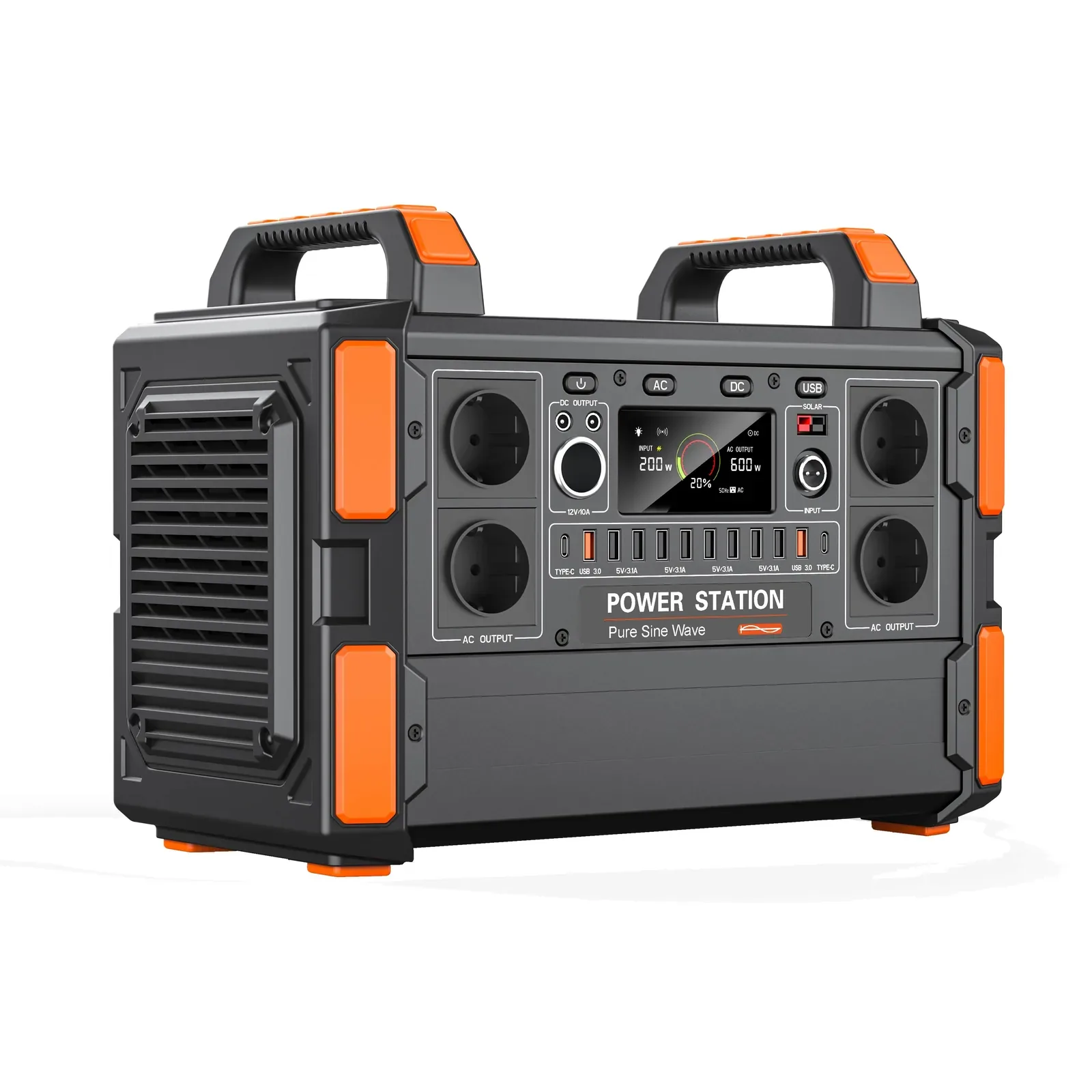
Power Utility UPS for Substations and Power Plants
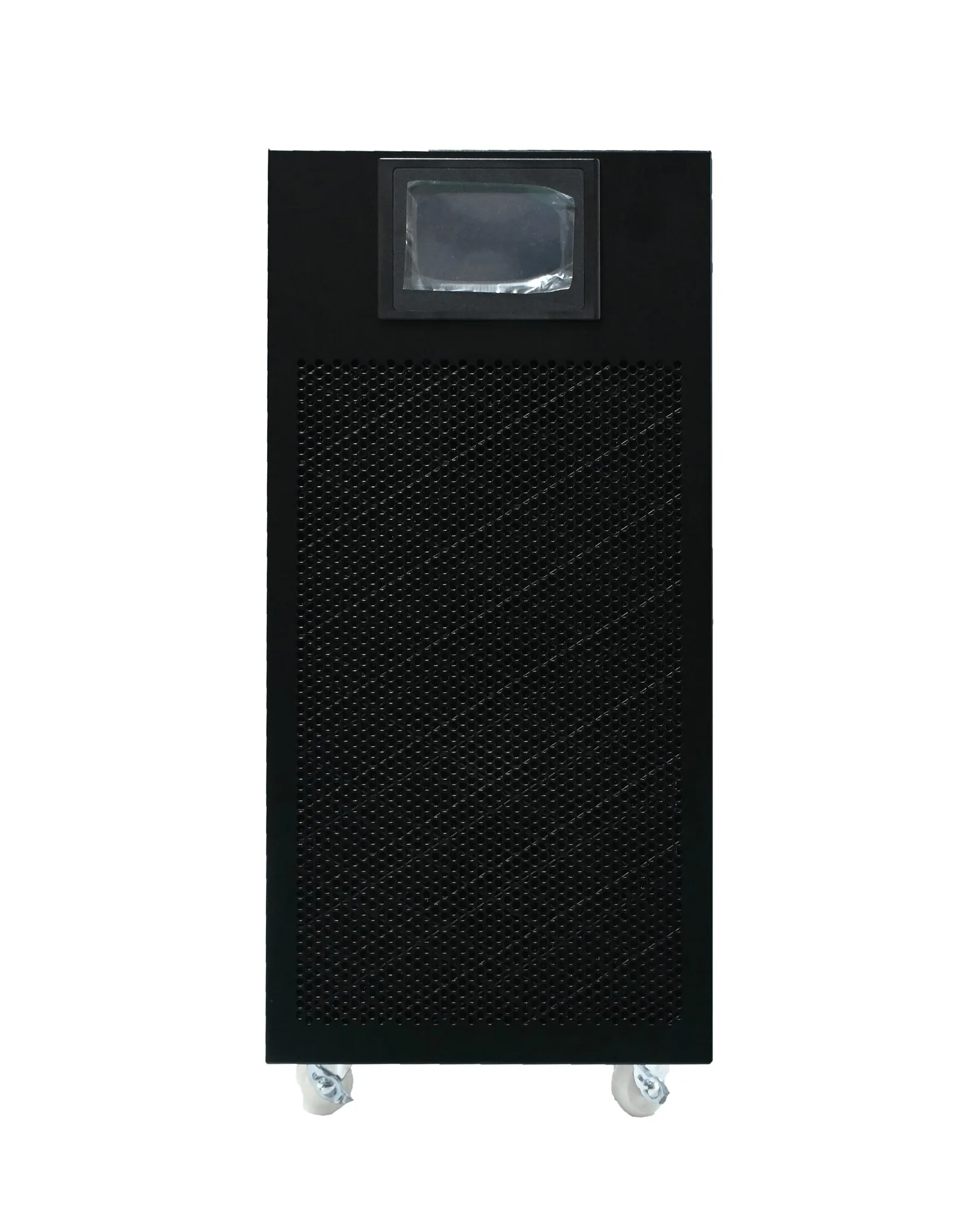
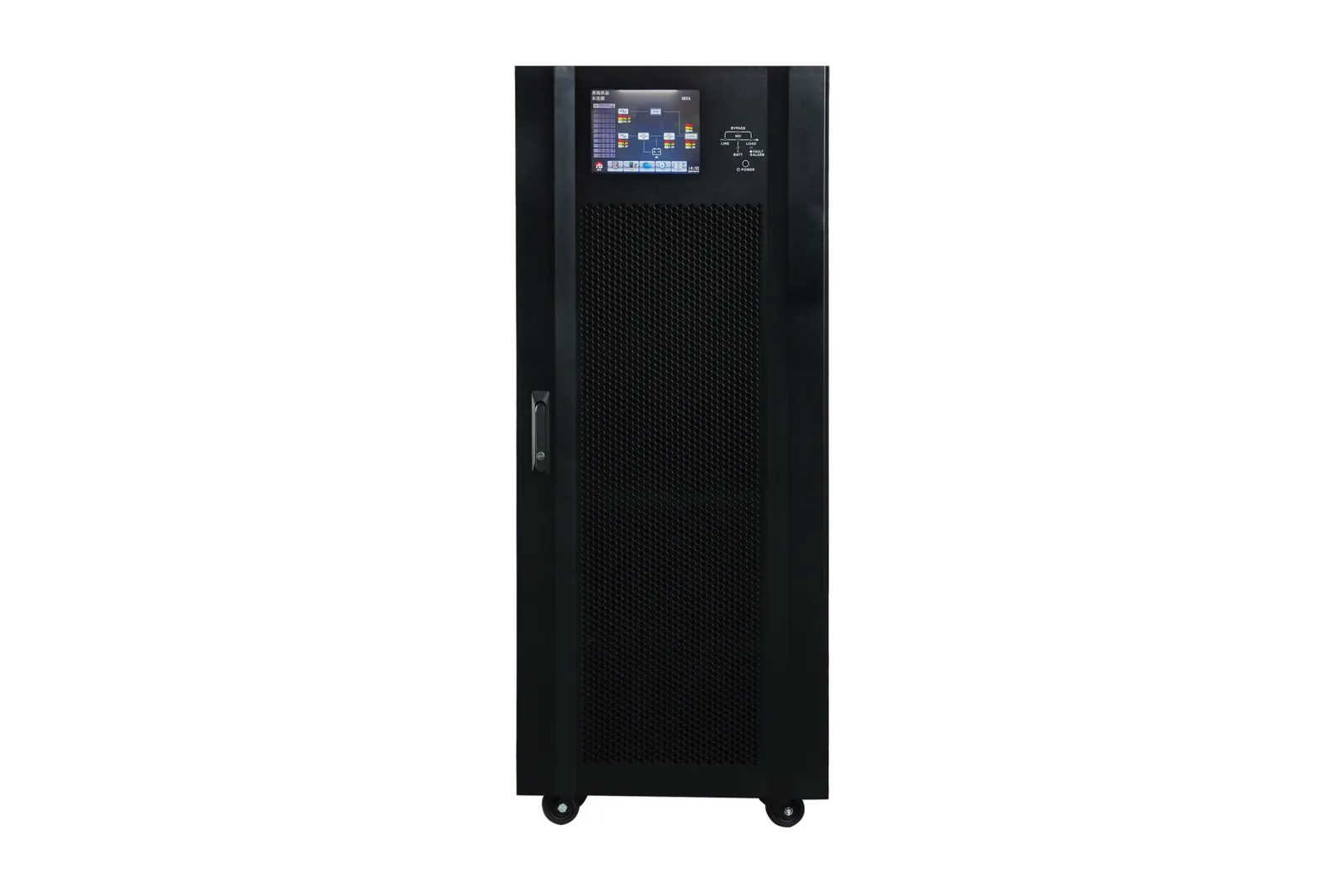
Relays, SCADA, RTUs and communication equipment in a substation need clean AC power when station supply is disturbed. Our P-series power utility UPS is built for that control-room duty.
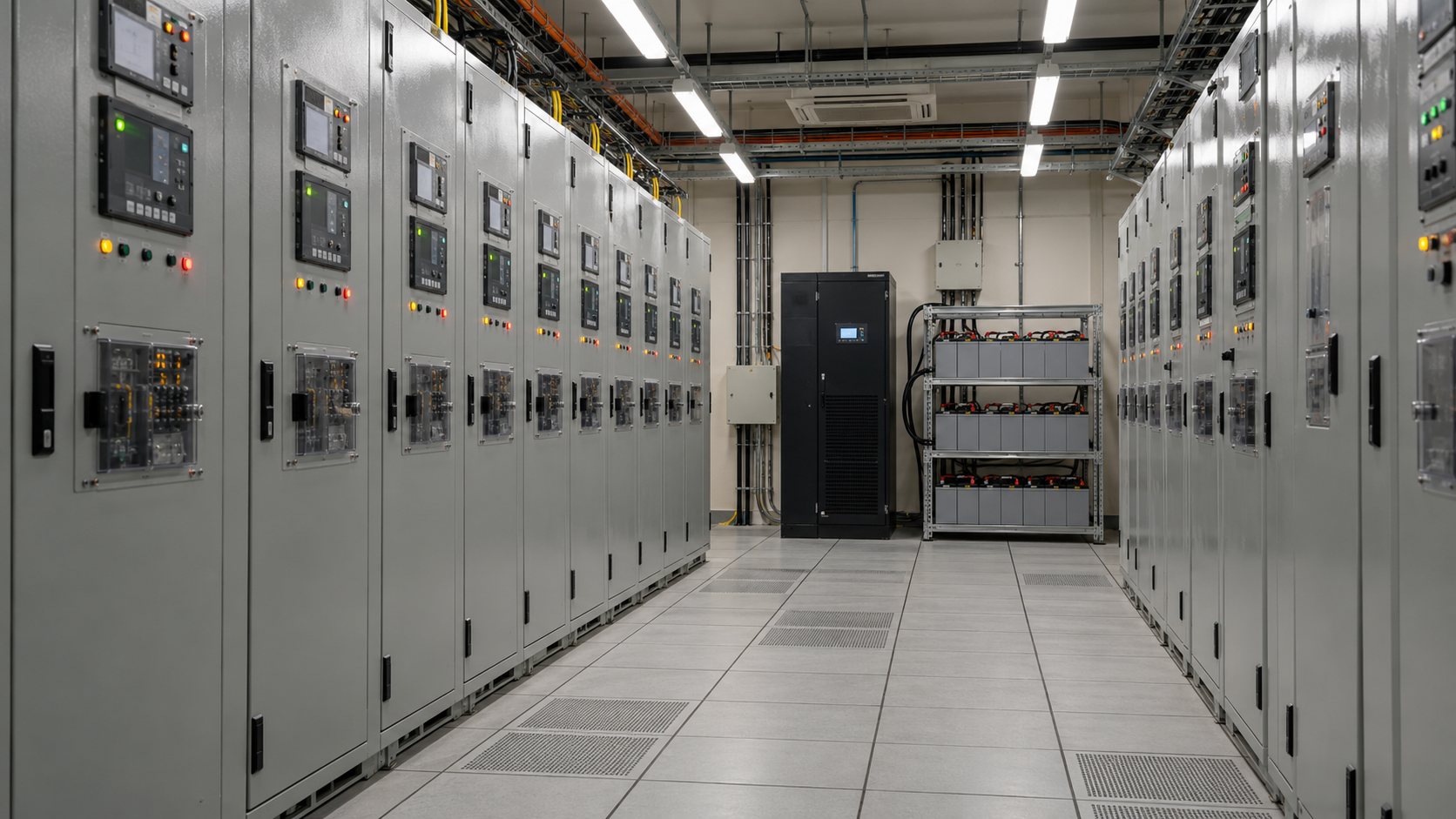
What goes wrong
Typical power problems on these sites.
Switching transients
Breaker operations and faults inject surges and spikes into the station AC supply.
Loss of station supply
When the auxiliary transformer drops out, SCADA and communications must keep reporting.
Electrical noise
High-voltage yards create interference that unprotected control electronics pick up.
What we would propose
Starting points; the final choice follows your load list.
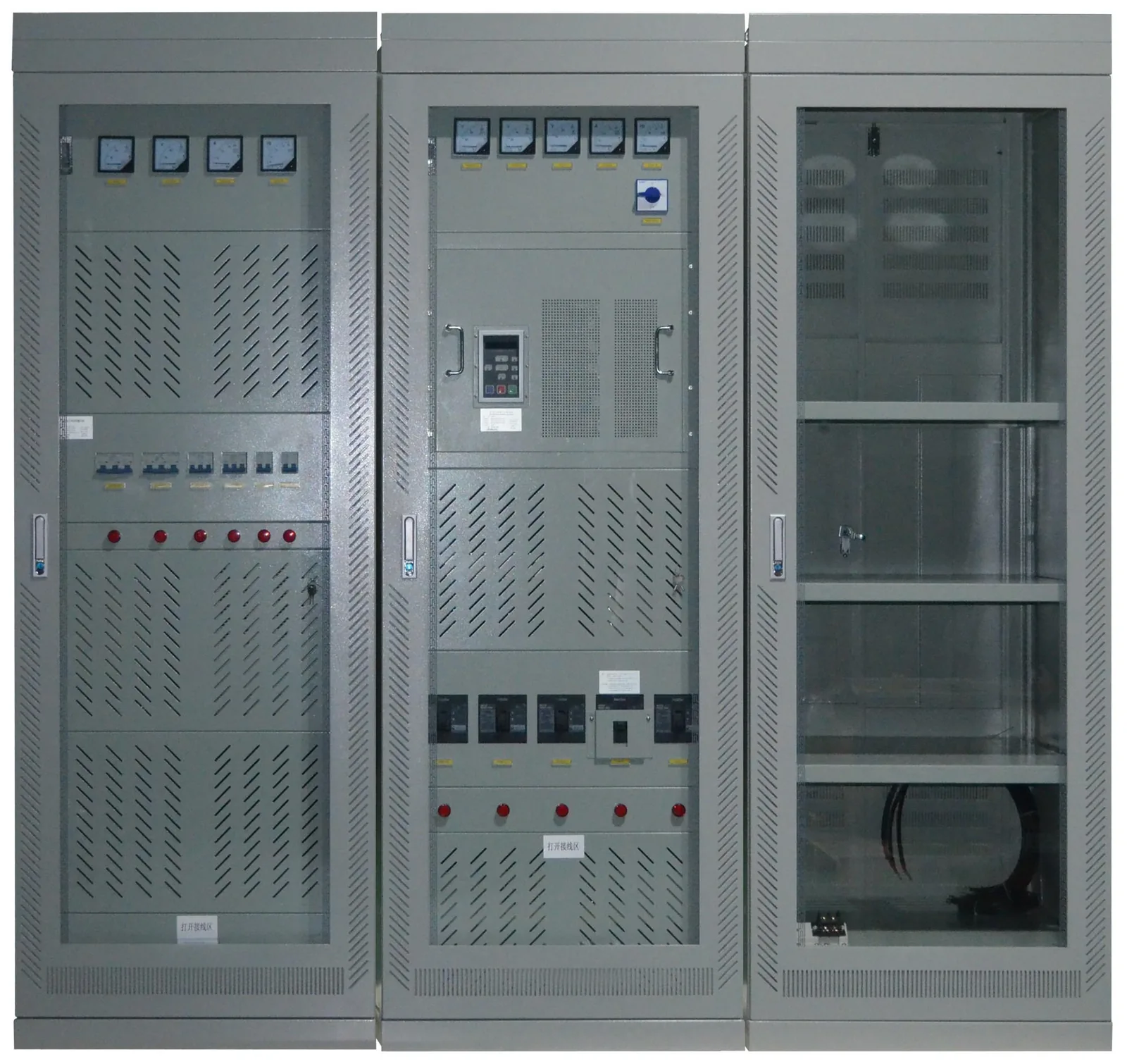
P11 / P31 / P33
Power-utility UPS
1–120 kVA
P-series, 1 to 120 kVA, designed for substation control and protection rooms.
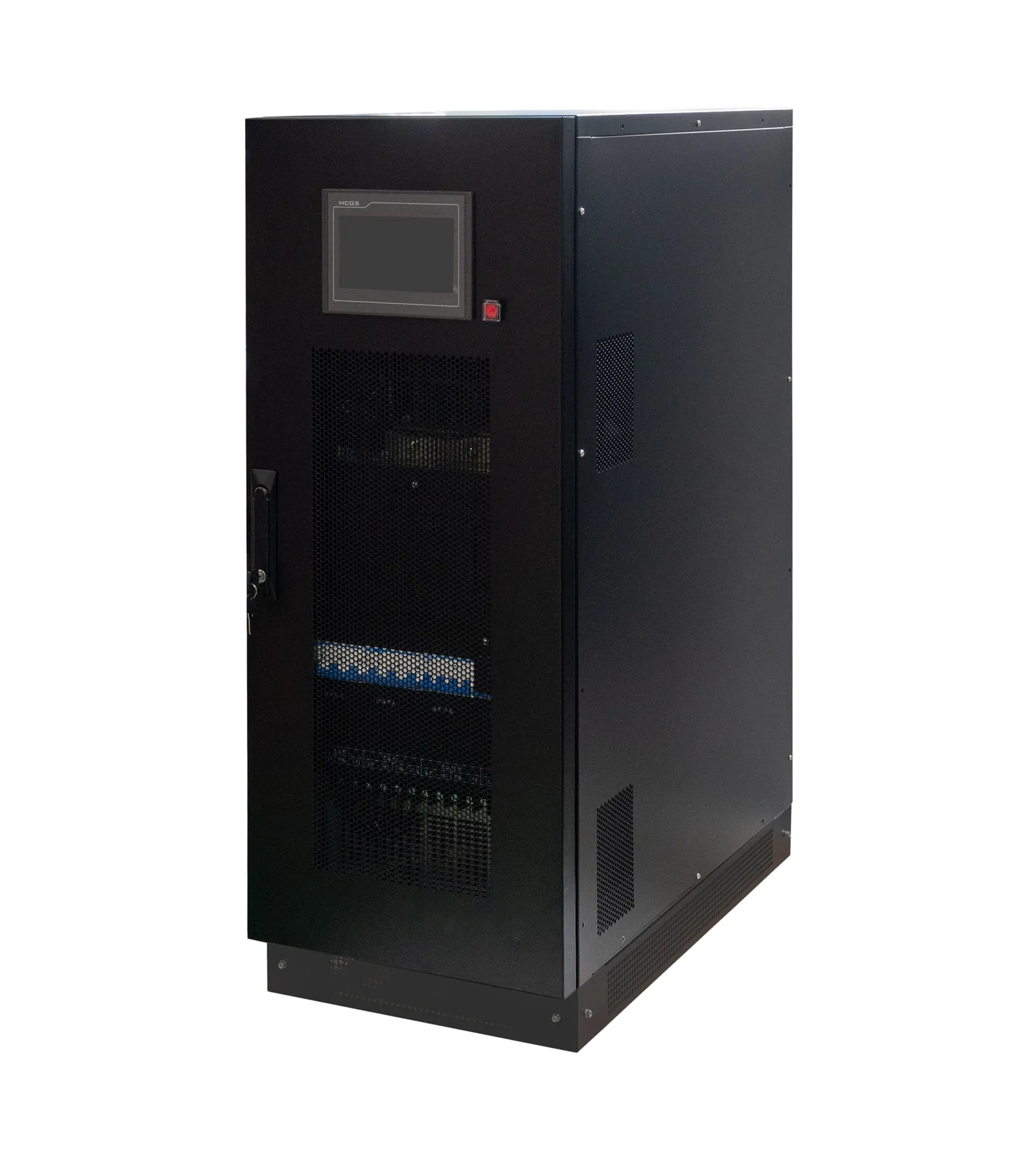
X33
Three-phase industrial UPS
10–200 kVA
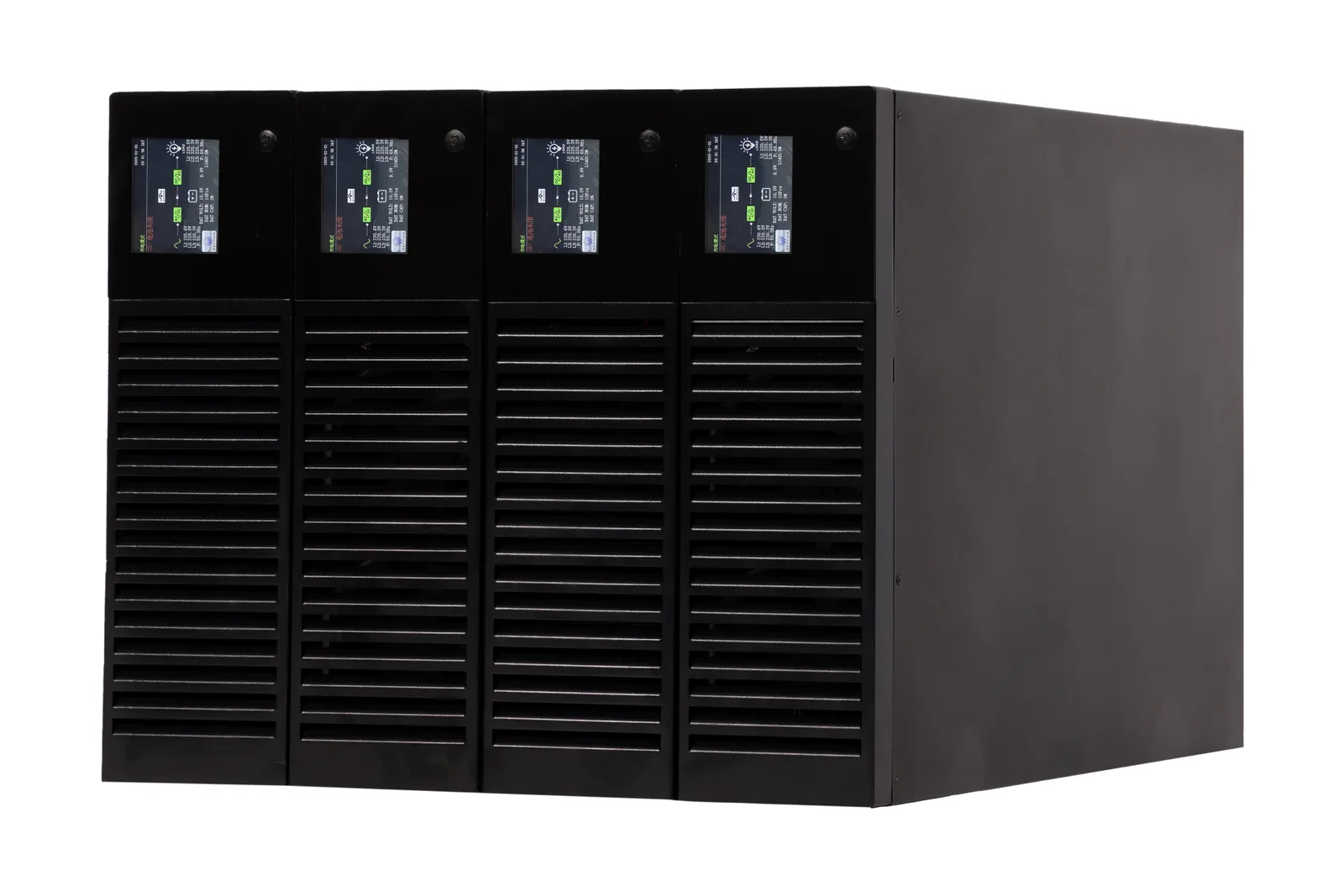
Larger transformer-based systems for power plant control buildings and auxiliary loads.
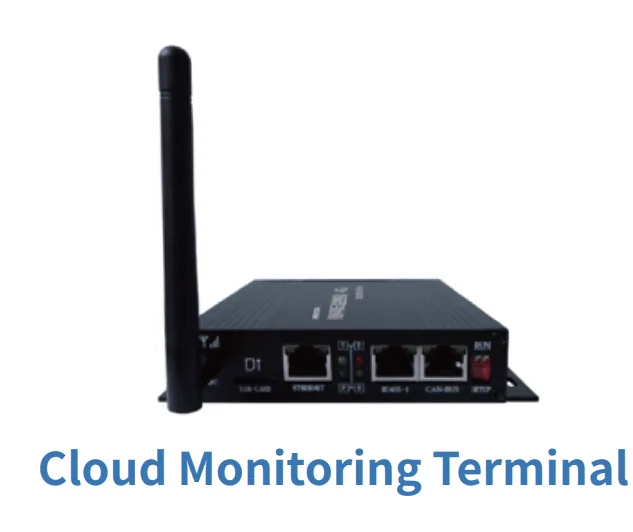
BM
Battery monitoring system
2 V / 6 V / 12 V cells
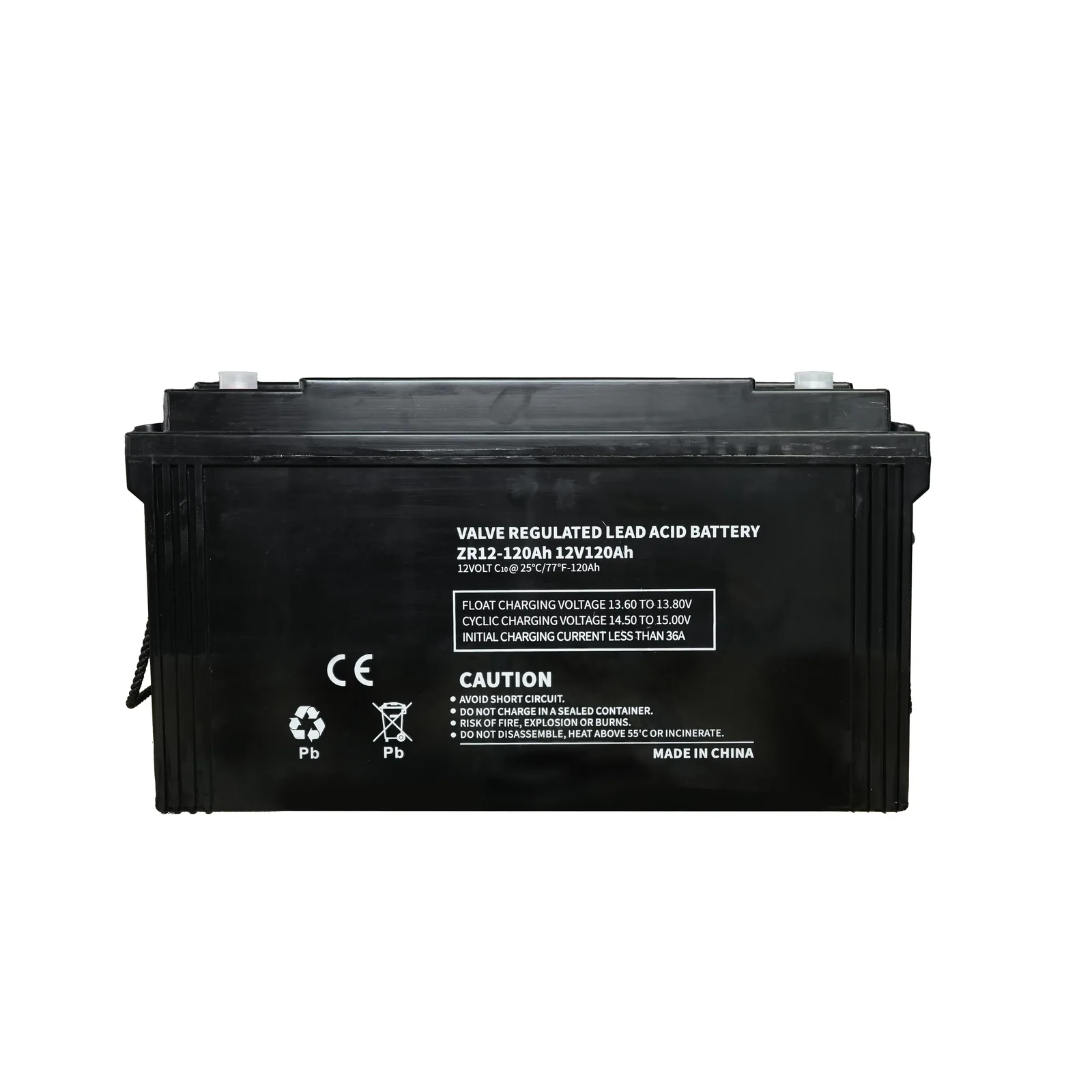
Cell-level battery data for unmanned substations, reported back to the control centre.
Send us these for a quote
- Protected loads (relays, SCADA, RTU, telecom)
- Total load in kVA
- Input supply (AC voltage, or DC battery bus if used)
- Required backup time
- Cabinet size or panel layout limits
- Utility specification, if any
Questions
What is the difference between a power utility UPS and a standard online UPS?
A power utility UPS uses a transformer-based design with an isolated output and is built for the switching noise and continuous duty of substations. A standard online UPS is aimed at IT rooms with cleaner supplies.
Can the UPS report to the substation SCADA?
Yes. Status and alarms are available over Modbus via RS485, dry contacts and SNMP.
What capacities does the P-series cover?
The P-series covers 1 to 120 kVA. For larger power plant loads we use our transformer-based industrial range up to 800 kVA.
Five numbers get you a quote
Send what you know. We reply within one working day.
- LoadkVA or kW, and what it is
- Input voltage and phasese.g. 400 V three-phase, 50 Hz
- Output phasesSingle- or three-phase
- Backup timeMinutes at full or typical load
- SiteIndoor, temperature, altitude, generator