Uninterruptible Power Supply Buying Guides
Short, practical answers to the questions that decide a specification.
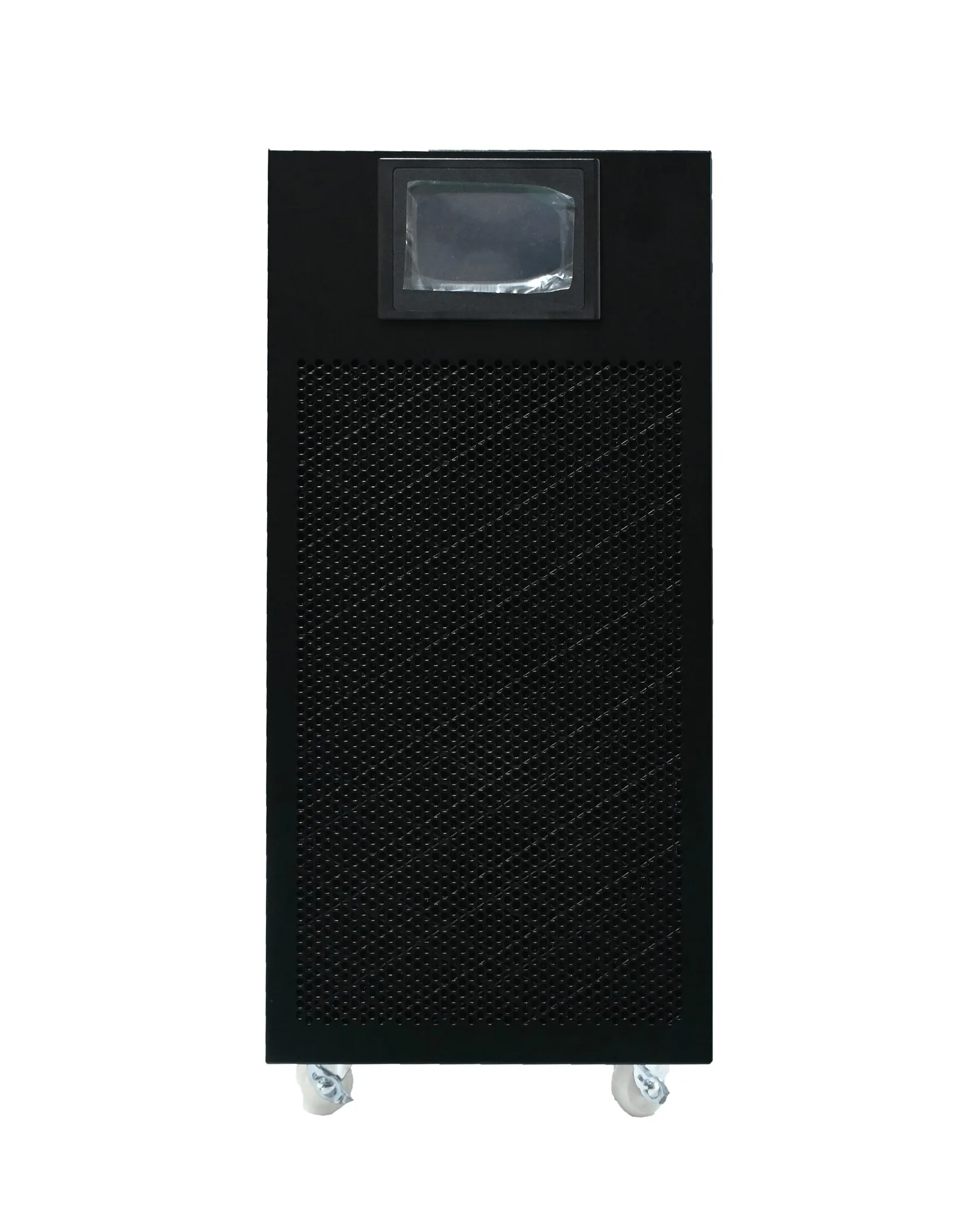
Industrial Isolation Transformer UPS: When Galvanic Isolation Matters
An isolation transformer breaks the direct conductive path between mains and load. In an industrial uninterruptible power supply it lets you create a clean new neutral, block common-mode noise and ride out the earthing problems that high-frequency units pass straight through.
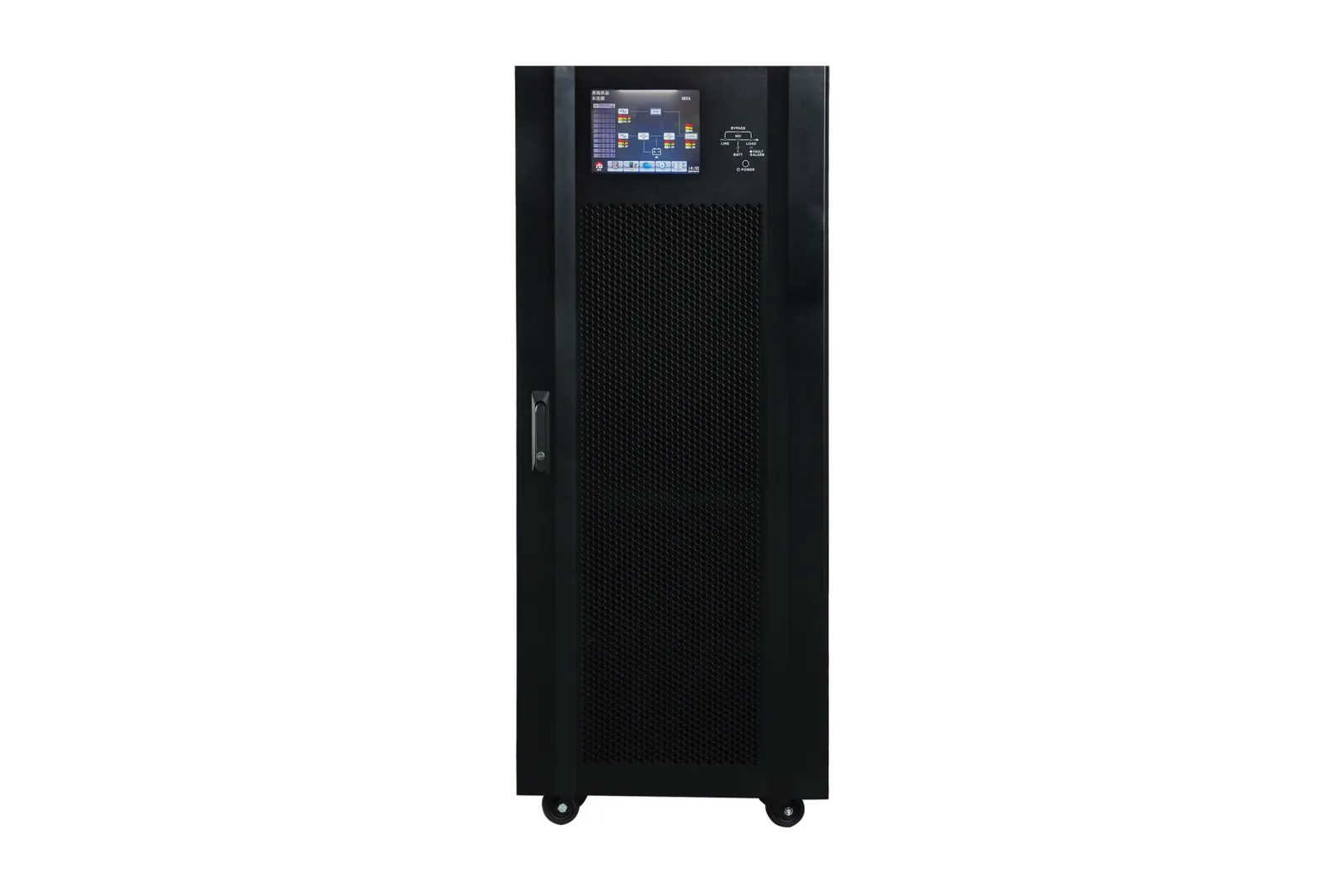
Basics · 6 minOnline vs Offline UPS: Double Conversion, Line-Interactive and Standby
Uninterruptible power supplies come in three basic designs. Offline and line-interactive units pass mains through and switch to battery when it fails. An online double-conversion unit rebuilds the output all the time, so the load never sees the grid.
Selection · 8 minHow to Size an Online UPS: kVA, kW, Inrush and Battery Runtime
Sizing a UPS system is two jobs: choose a power rating that carries the load with margin, then a battery that carries it for long enough. Here is a method and a worked estimate; for a real project, ask us for a calculation.
Batteries · 7 minLithium-Ion vs Lead-Acid UPS Batteries: LiFePO4 or VRLA?
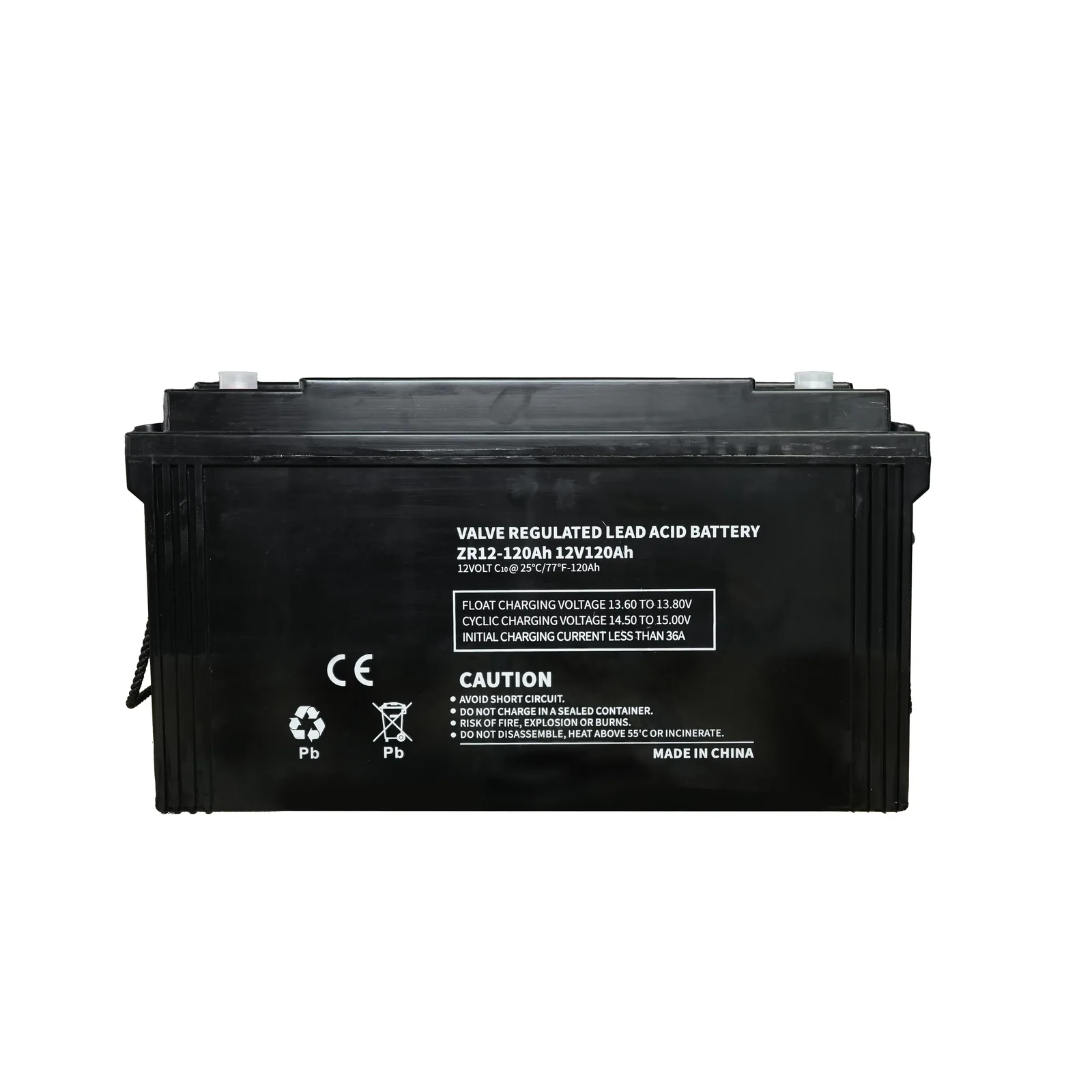
VRLA lead-acid is the low-cost, familiar choice for UPS backup. Lithium iron phosphate (LiFePO4) costs more up front but lasts longer, weighs less, takes heat better and needs fewer replacements. The right answer depends on runtime, room temperature and how long you keep the system.
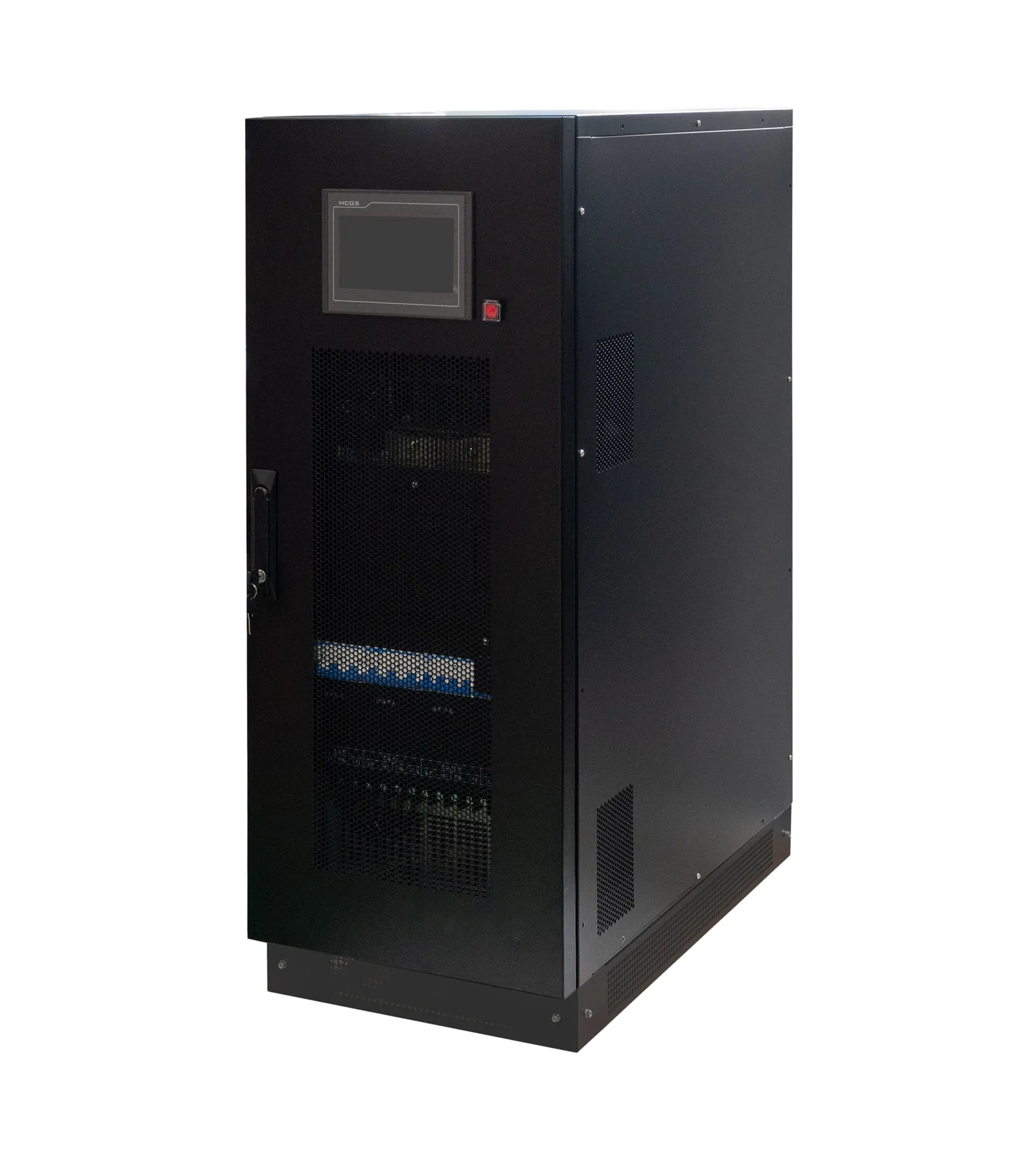
Selection · 7 minTransformer-Based vs Transformerless Online UPS: How to Choose
Choose a transformer-based online UPS for motors, heavy inrush, poor or generator-fed supplies and sites that need galvanic isolation. Choose a transformerless high-frequency unit for IT, control and electronic loads where size and efficiency count for more.
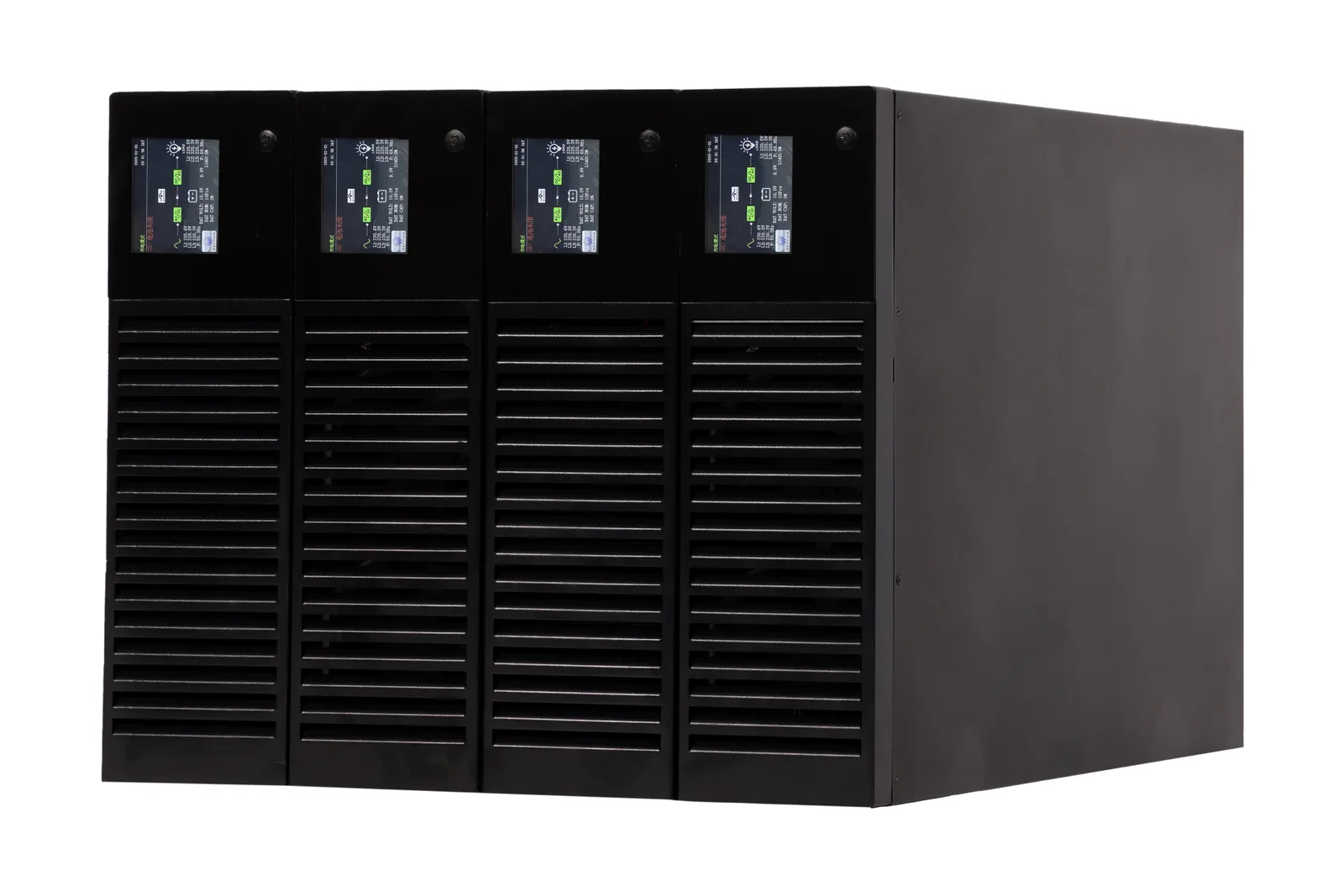
Basics · 6 minWhat Is a Modular UPS? Frames, Hot-Swap Modules and N+X
A modular UPS is one cabinet holding several identical power modules that share the load, the bypass and the battery. You add modules as the load grows, carry a spare for resilience, and swap a failed module without taking the load off line.