Industrial UPS for Manufacturing Plants
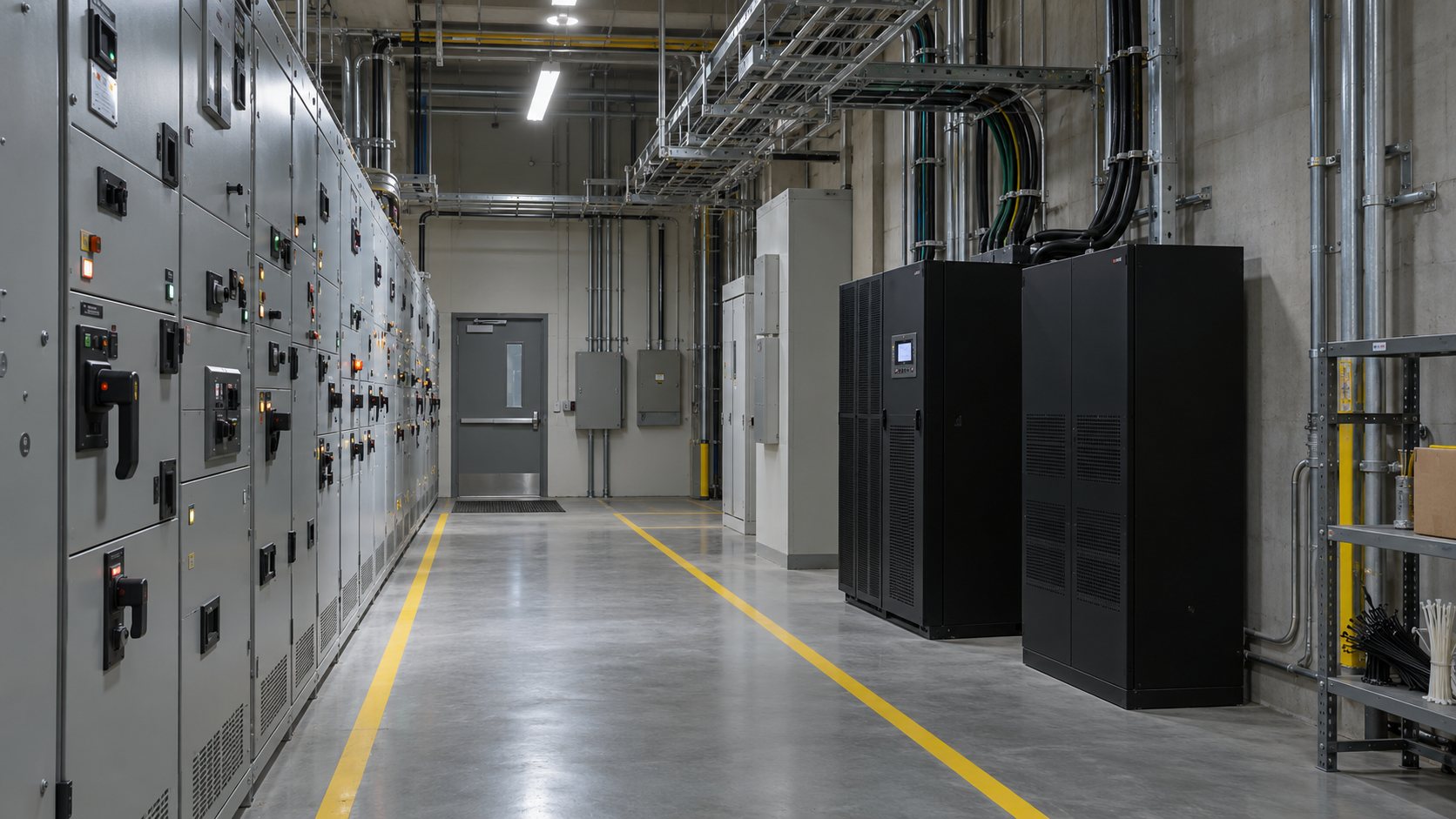
A half-second dip can stop a line, scrap a batch and reset every PLC. We size industrial and online UPS systems for controls, drives and process loads, not just the office IT room.
What goes wrong
Typical power problems on these sites.
Voltage sags
Large motors starting on the same feeder pull voltage down and trip contactors and PLCs.
Harmonics and noise
Variable-frequency drives and welders distort the supply that sensitive controls depend on.
Short outages
A brief grid interruption forces a full line restart, recalibration and scrapped work in progress.
Dust and heat
Plant rooms run hotter and dirtier than data rooms, which shortens fan and battery life.
What we would propose
Starting points; the final choice follows your load list.
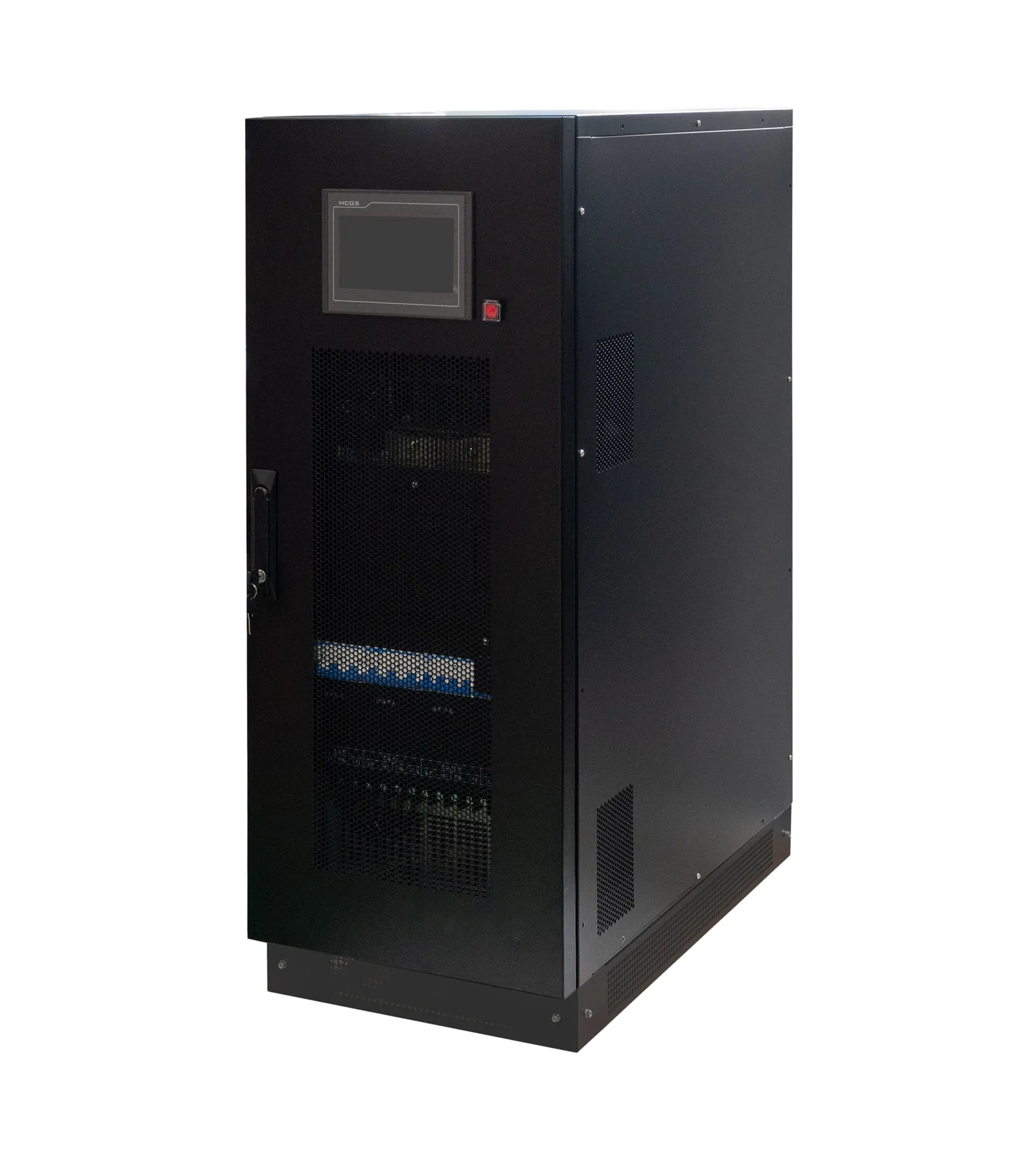
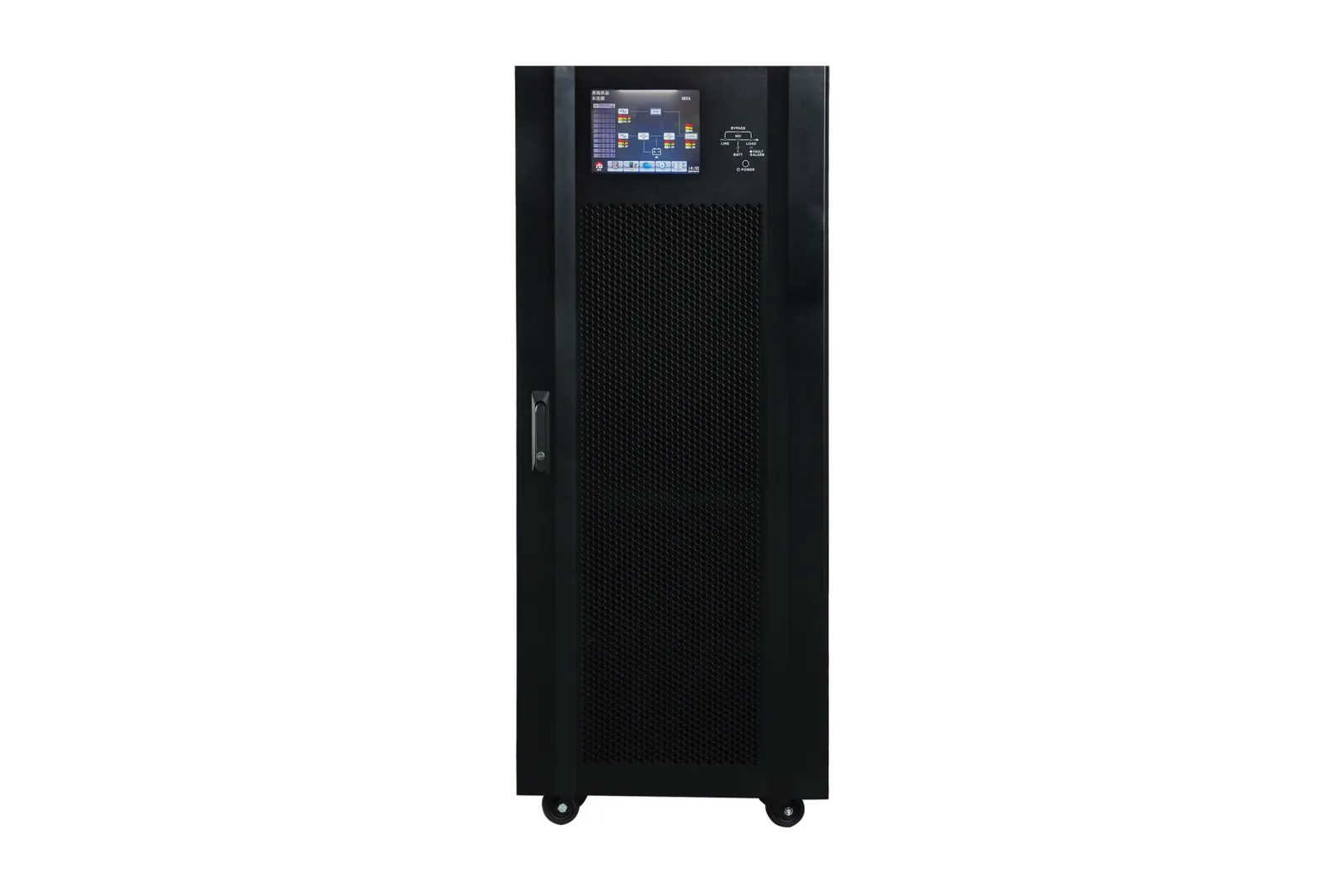
X33
Three-phase industrial UPS
10–200 kVA
Output isolation transformer handles motor inrush, harmonics and unbalanced loads on the plant floor.
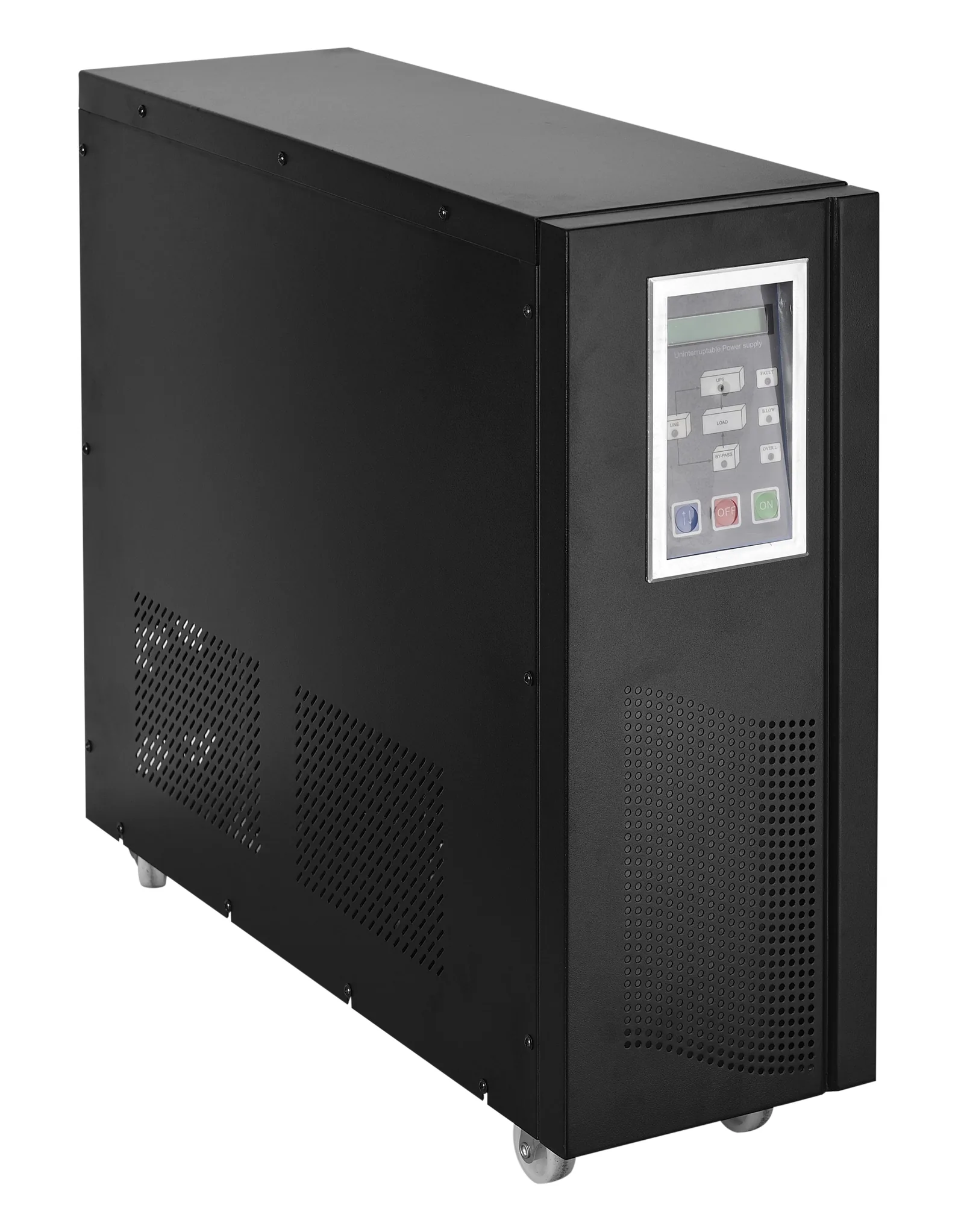
X11
Single-phase industrial UPS
1–40 kVA
Transformer-based protection for individual PLC cabinets, HMIs and instrument panels.
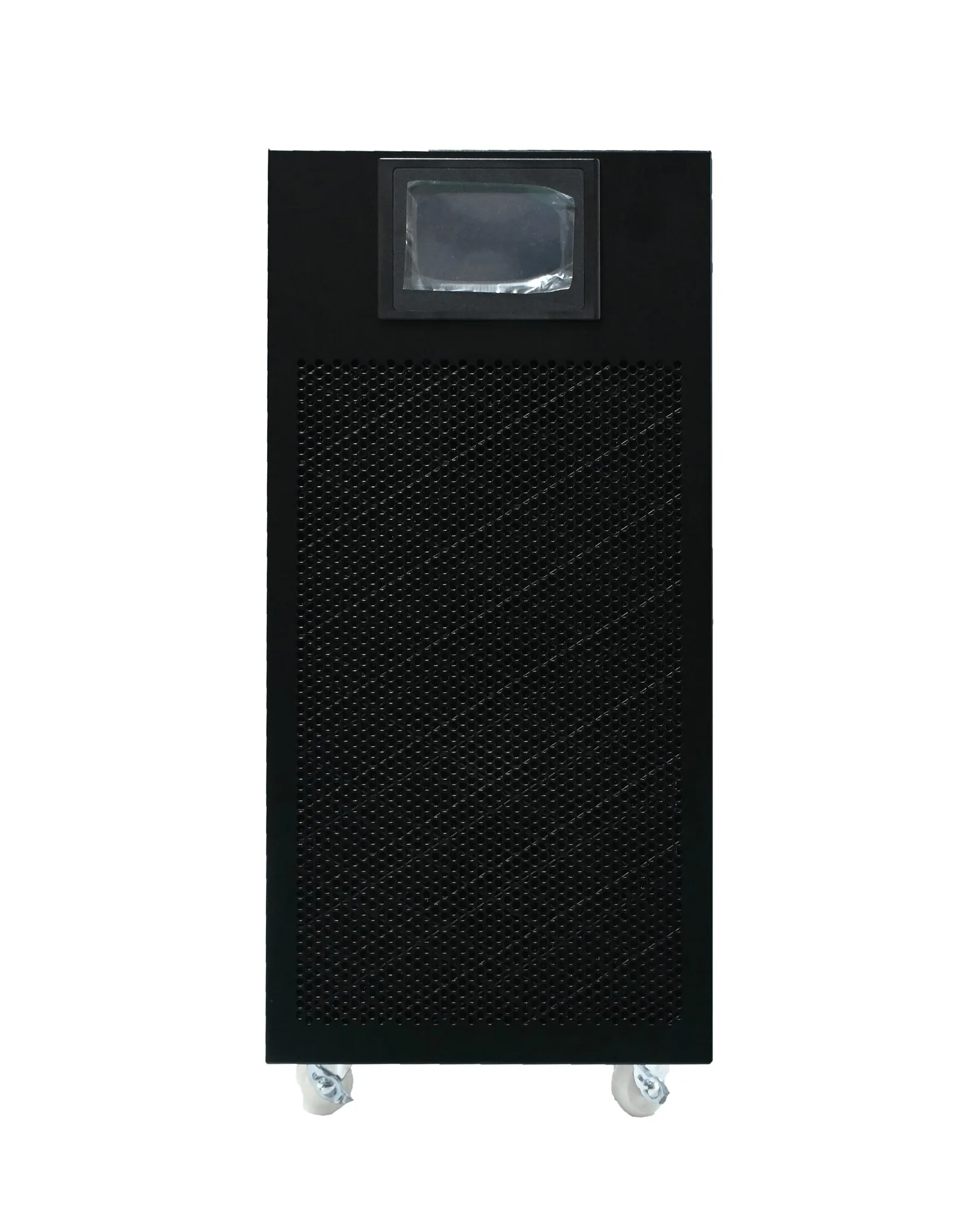
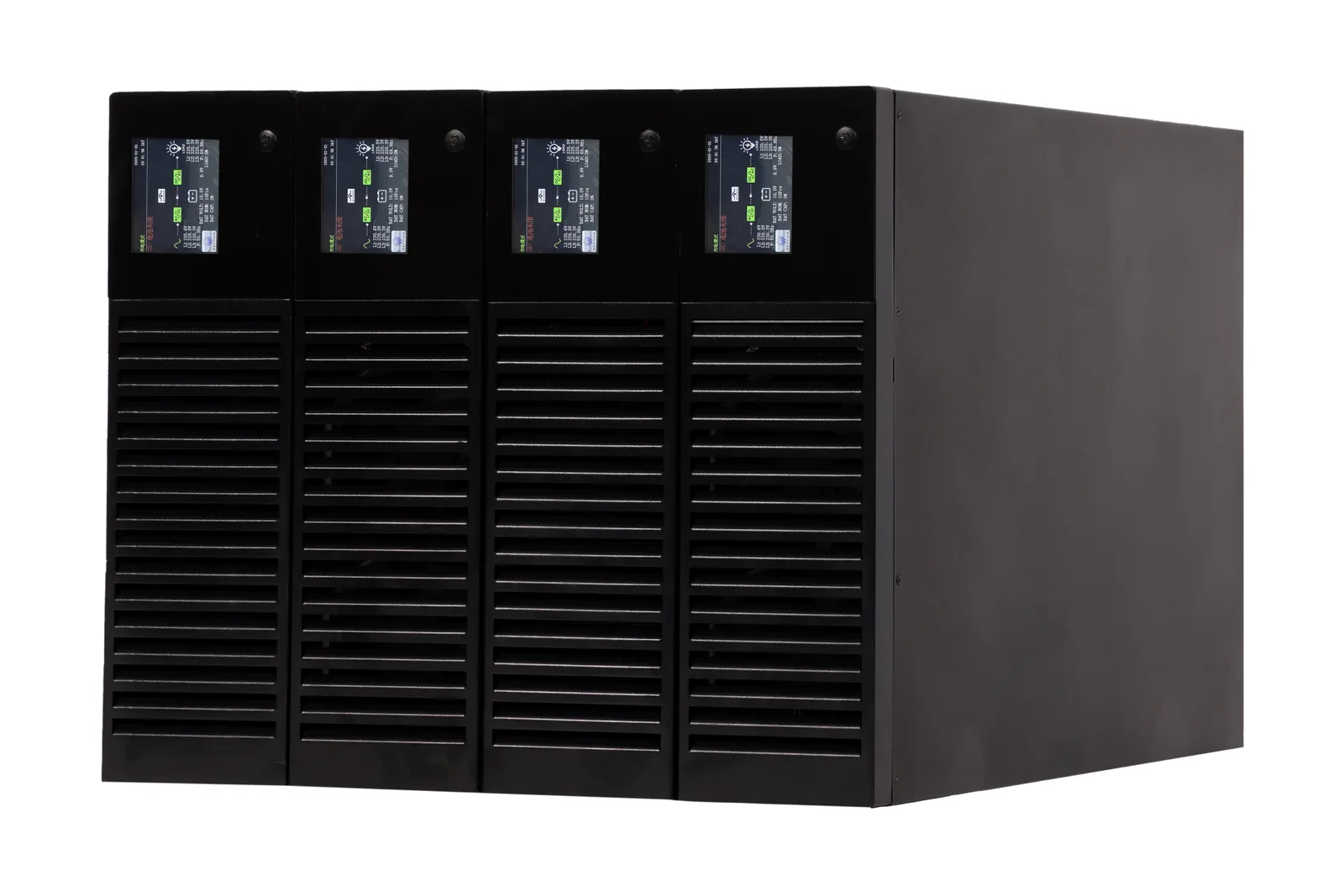
H33
Three-phase online UPS
10–600 kVA
Compact double-conversion option for MES servers, QC labs and plant network rooms.
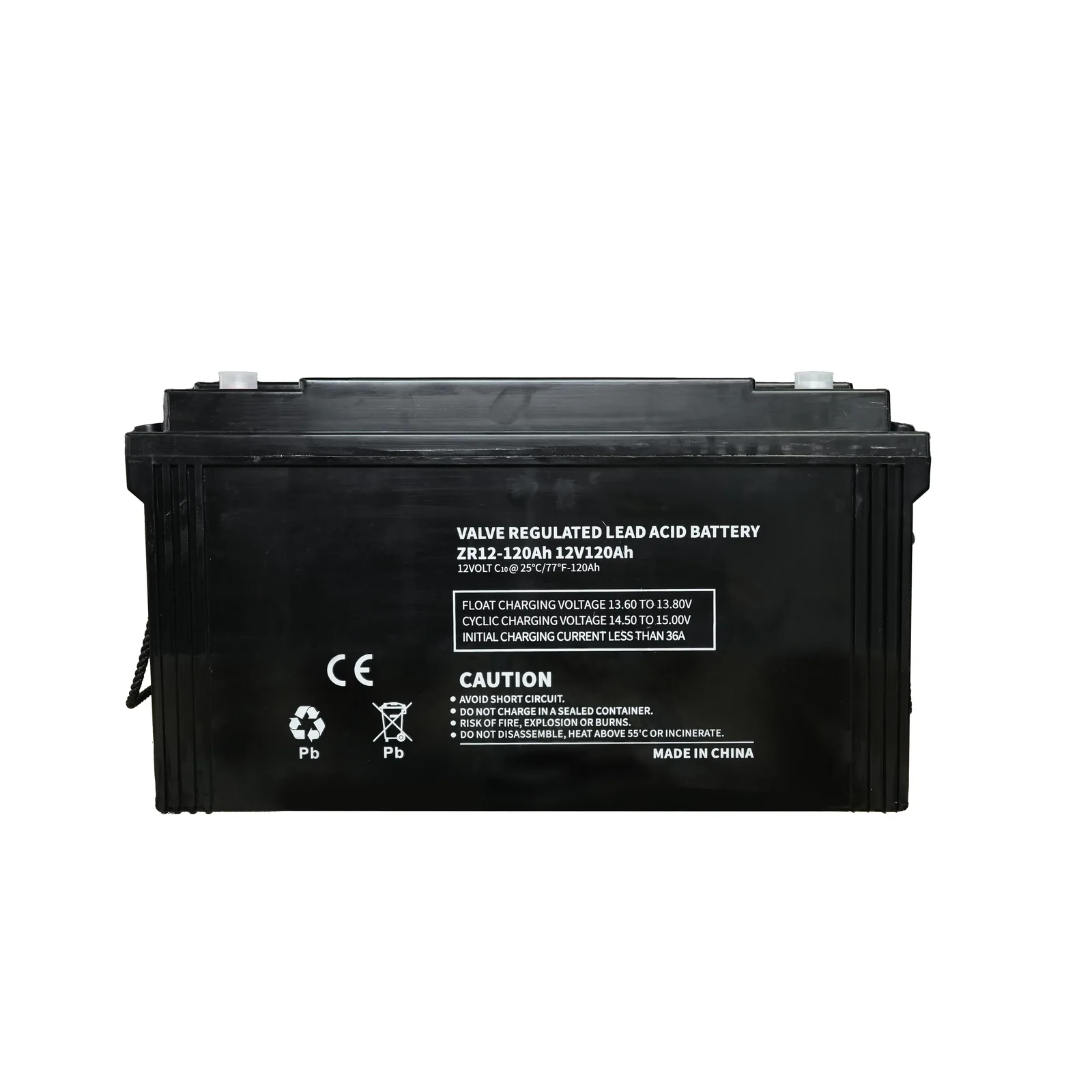
BM
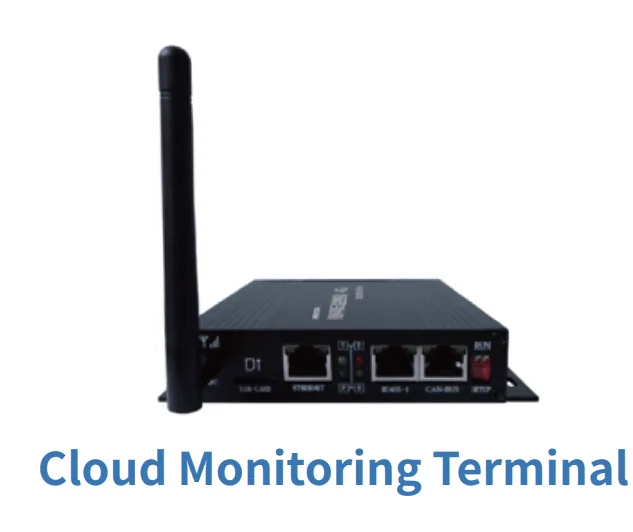
Battery monitoring system
2 V / 6 V / 12 V cells
Tracks each battery block so a weak cell is replaced before a shutdown.
Send us these for a quote
- Load list with kW, kVA and power factor
- Motor or drive loads and their starting current
- Input voltage, phases and frequency
- Required backup time in minutes
- Room temperature and dust conditions
- Monitoring needs (Modbus, dry contact, SNMP)
Questions
Should a factory use a transformer-based or high-frequency UPS?
For motor loads, drives and dirty supplies, a transformer-based industrial UPS with output isolation is the safer choice. For servers and controls in a clean room, a high-frequency online UPS is smaller and more efficient.
How do you size a UPS for a production line?
We start from the running load and the starting current of motors and drives, then add margin for future equipment. Send us the load list and we size the kVA and battery bank.
Can the UPS connect to our PLC or SCADA?
Yes. The UPS reports status and alarms over Modbus via RS485, dry contacts or SNMP, so your PLC or SCADA can log events and start a controlled shutdown.
Five numbers get you a quote
Send what you know. We reply within one working day.
- LoadkVA or kW, and what it is
- Input voltage and phasese.g. 400 V three-phase, 50 Hz
- Output phasesSingle- or three-phase
- Backup timeMinutes at full or typical load
- SiteIndoor, temperature, altitude, generator