The idea in one paragraph
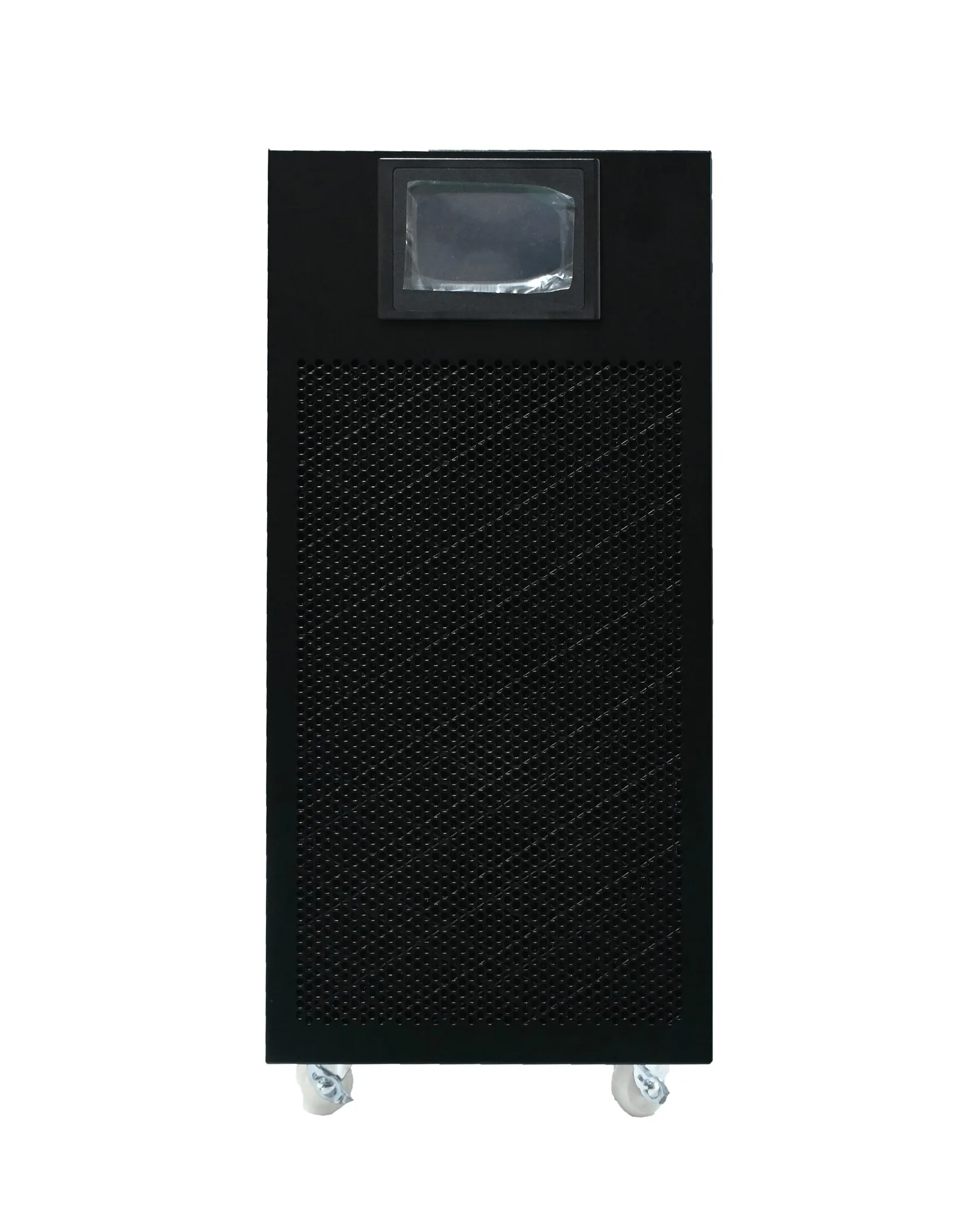
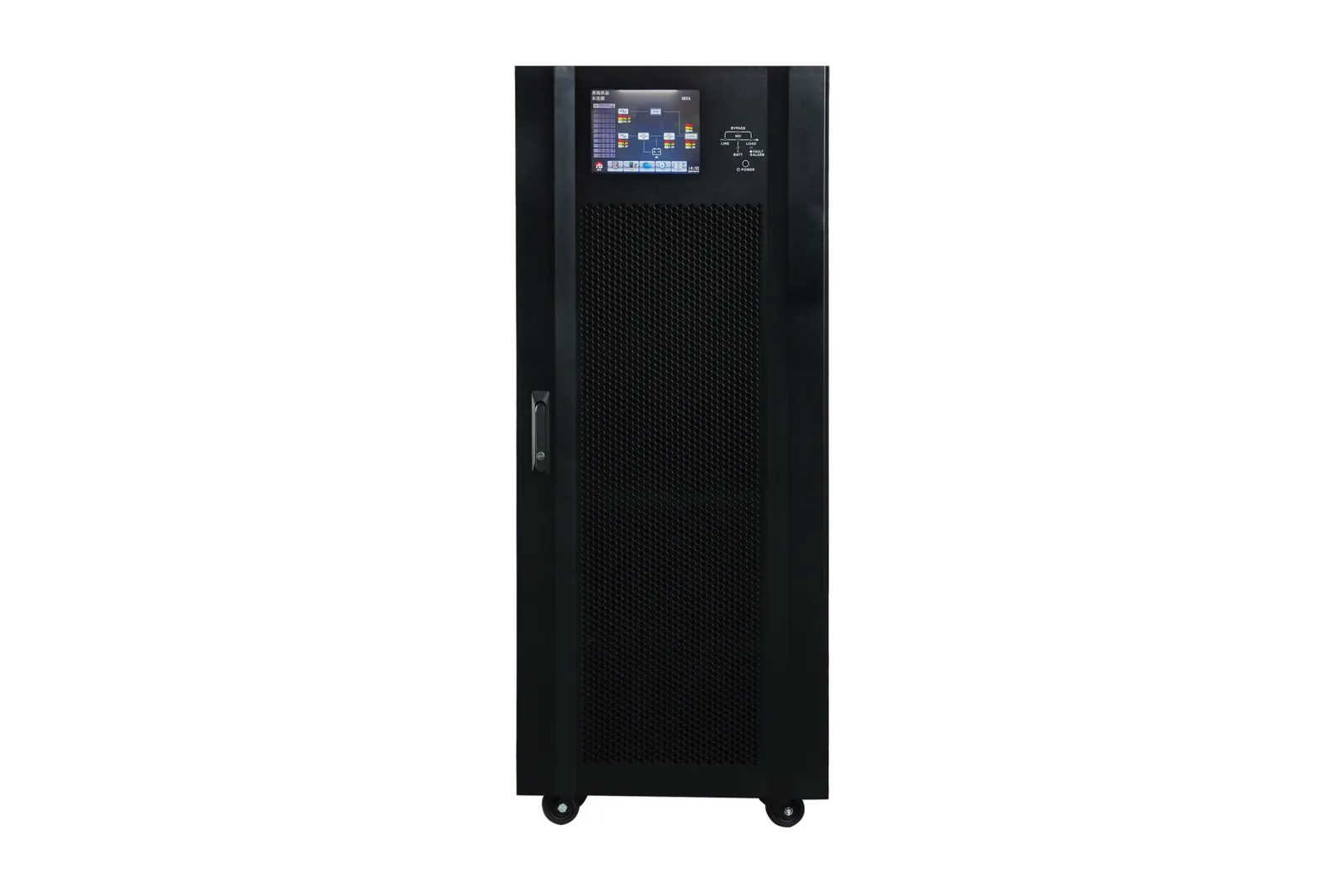
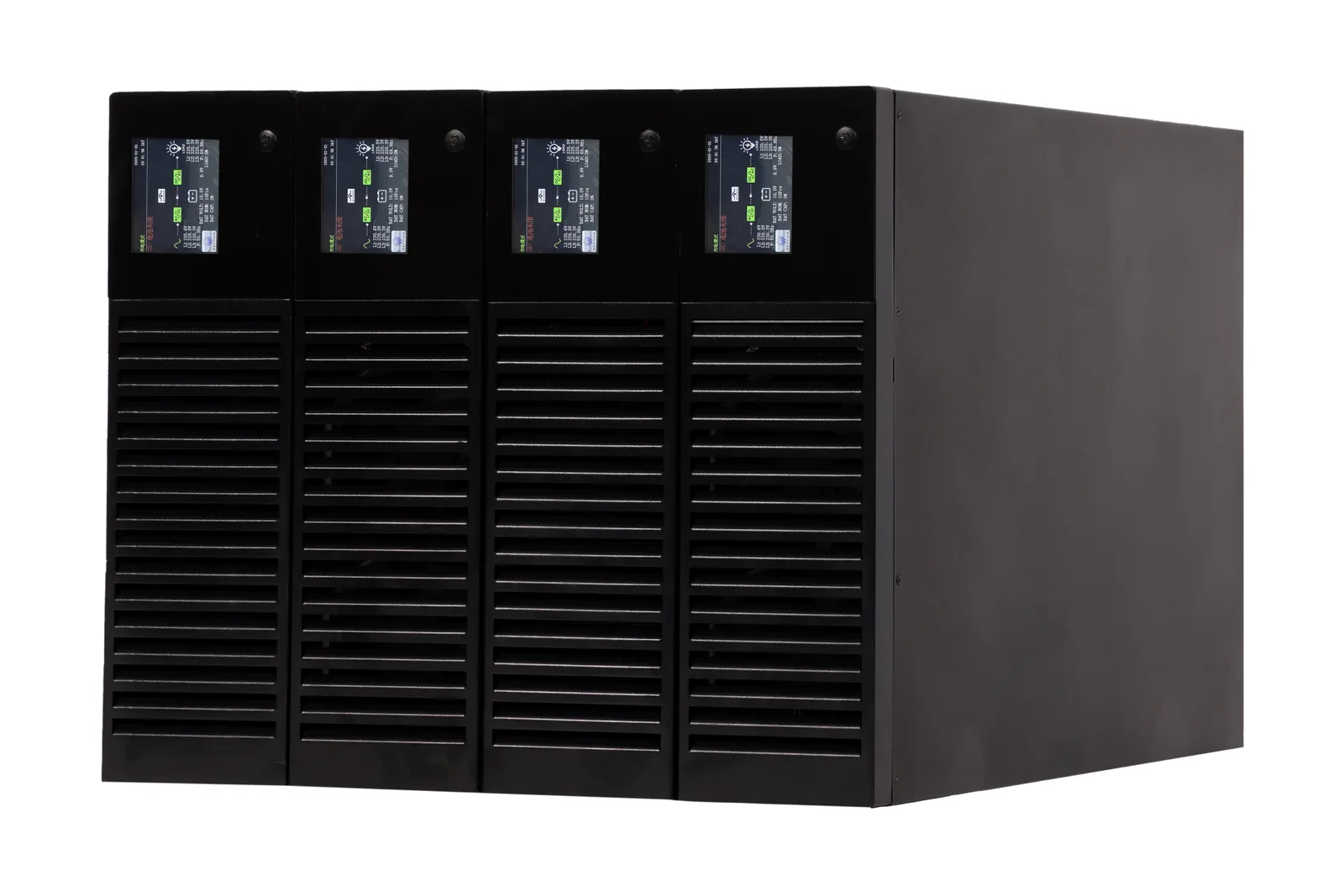
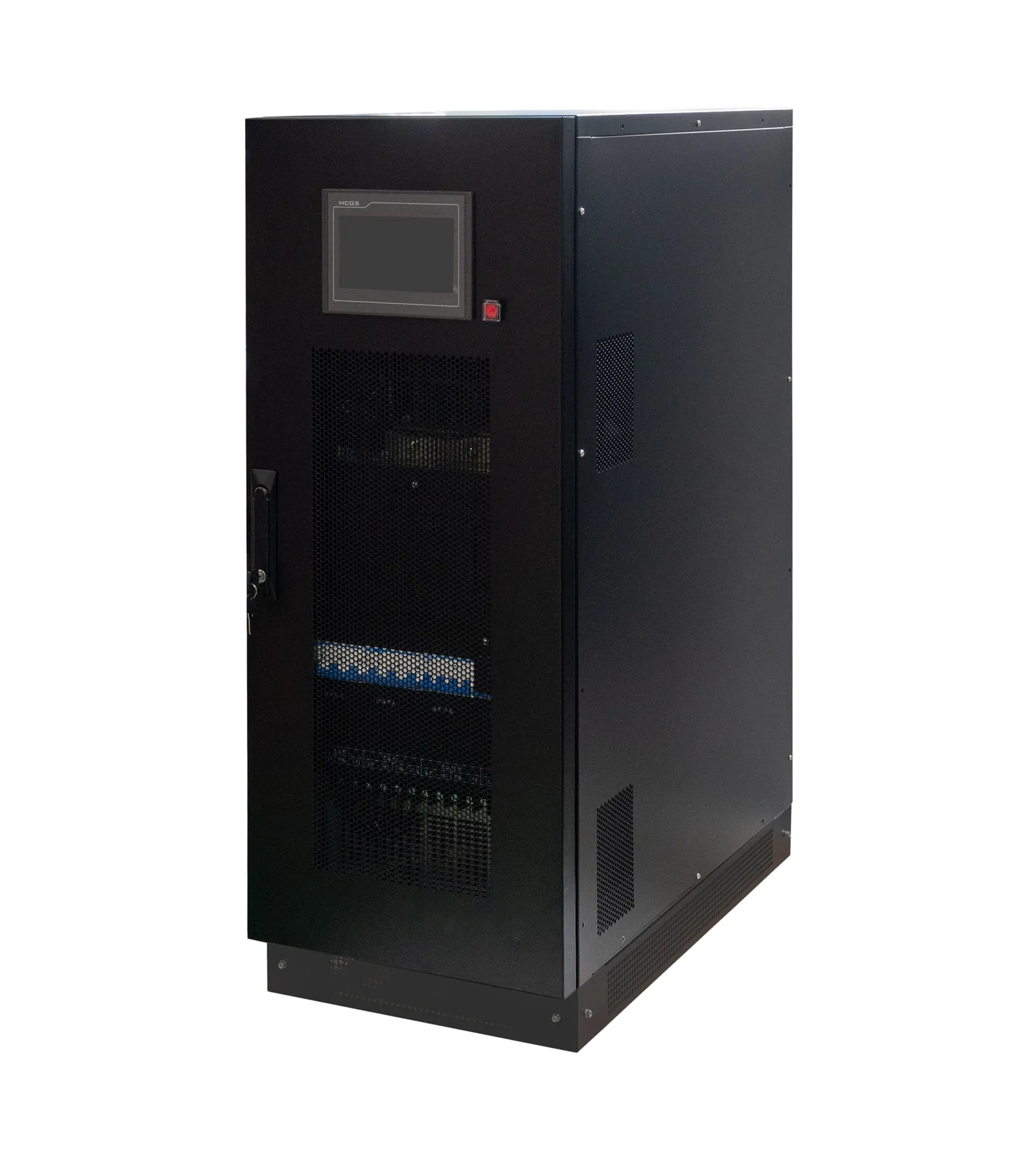
A conventional UPS is one block of capacity: a 120 kVA unit is a 120 kVA unit for its whole life. A modular UPS breaks that block into smaller power modules, typically 20 to 50 kVA each, that slide into a common frame. The frame provides the input and output busbars, the static bypass, the control and display, and the battery connection. The modules run in parallel and share the load. You buy the frame for the final size you expect, fill it with as many modules as today’s load needs plus any spare, and add more later.
What is inside a modular system
| Part | What it does |
|---|---|
| Frame (cabinet) | Mechanical housing, busbars, cable terminations and module slots |
| Power modules | Each is a full online double-conversion stage: rectifier, inverter, often its own charger |
| Static bypass module | Transfers the load to mains if the modules are overloaded or out of service |
| Control / monitoring unit | Coordinates load sharing, displays status, handles communications |
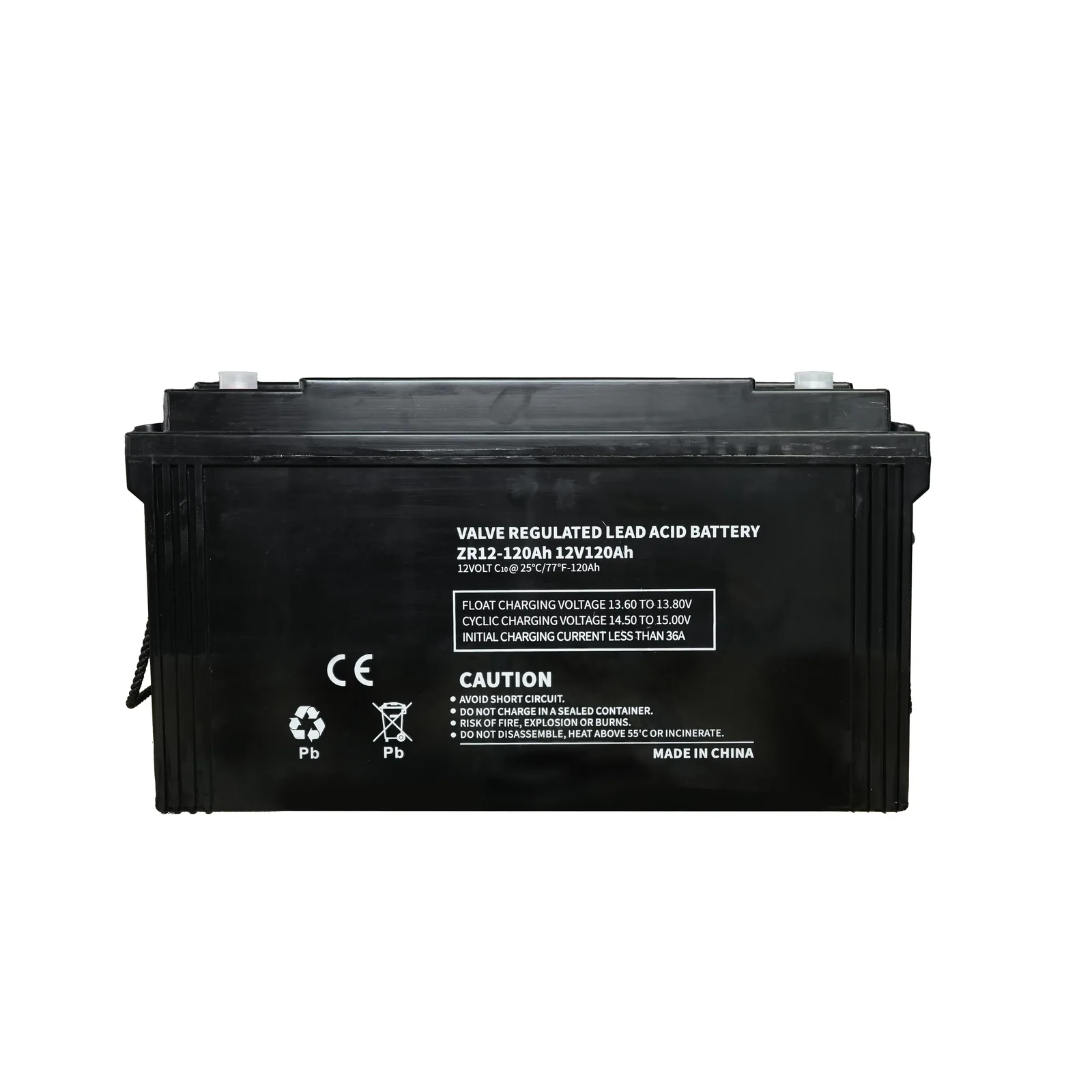
| Battery | Usually a common battery string or cabinet shared by all modules |
| Maintenance bypass | A manual switch that lets the whole system be isolated for major work |
Because each module is a complete online stage, the system as a whole behaves like any online UPS: the inverters carry the load continuously and mains-to-battery transfer is 0 ms.
How N+X works
Two numbers describe a modular configuration.
- N – the number of modules needed to carry the load.
- X – the number of extra modules installed beyond that.
With N+1, any one module can fail and the others still carry the full load. With N+2, two can fail. The spare capacity is shared: all modules run at partial load in normal operation rather than one sitting idle.
A worked example
A data room has a 100 kW load today, expected to reach 140 kW in three years. The UPS output power factor is 1, so kVA equals kW.
| Choice | Today | In three years |
|---|---|---|
| 30 kVA modules, N+1 | N = 4 (120 kVA) + 1 = 5 modules, 150 kVA installed | N = 5 (150 kVA) + 1 = 6 modules, 180 kVA installed |
| 50 kVA modules, N+1 | N = 3 (150 kVA; two modules would leave no margin) + 1 = 4 modules, 200 kVA installed | Same 4 modules still cover 140 kW with N+1 |
The 30 kVA option grows in finer steps and keeps the modules better loaded. The 50 kVA option needs fewer slots and fewer modules to stock as spares. Both are valid; the choice depends on how sure you are about growth and how many slots the frame has. Always leave headroom so that, with one module out, the remaining modules are not running at their limit.
What modular gets you
Pay as you grow
You avoid buying today a single large UPS sized for a load that may never arrive. Capital is spent in steps, and modules run closer to their efficient load range, which matters because UPS efficiency usually falls at light load.
Resilience without a second UPS
Getting N+1 with standalone units means at least two complete UPS systems in parallel, each sized for the full load. In a modular frame, N+1 costs one extra module.
Faster service
A failed module is pulled out and a replacement slid in while the rest of the system carries the load. Depending on the design, no transfer to bypass is needed for this. Keeping one spare module on site cuts mean time to repair to roughly the time it takes to swap it.
Right-sizing over the life of the site
If a load shrinks, modules can be removed and used elsewhere or kept as spares, rather than leaving a large standalone unit running at a fraction of its rating.
What it does not solve
- Shared parts are still shared. The frame, busbars, bypass and control are common to all modules. A good design keeps these simple and robust, but a modular system is one system, not several independent ones. For the highest availability, some sites use two modular systems on separate feeds.
- Higher starting cost. At day one, a part-filled frame usually costs more than a standalone unit of the same installed capacity. The saving comes over time.
- Battery is often common. Modules give power-stage resilience; the battery string still needs its own care, testing and, ideally, monitoring.
- Topology limits. Modules are high-frequency and transformerless. For heavy motor loads, poor earthing or a galvanic isolation requirement, see our transformer-based vs transformerless guide.
Modular vs standalone units in parallel
| Modular system | Standalone units in parallel | |
|---|---|---|
| Growth step | One module (e.g. 20–50 kVA) | One complete UPS |
| N+1 cost | One extra module | One extra full unit |
| Floor space | One frame plus battery | Several cabinets |
| Repair | Hot-swap a module | Isolate and repair a unit |
| Independence of parts | Frame and bypass shared | Each unit fully independent |
| Best for | Data rooms, telecom, growing loads | Sites wanting full separation between units |
Questions to answer before specifying
- Load today and expected load in three to five years, in kW.
- Required resilience: N, N+1 or N+2.
- Backup time, and whether the battery will be VRLA or lithium-ion.
- Input supply: voltage, generator, and any harmonic limits.
- Space and floor loading for the frame and battery cabinets.
Our modular range
Our M33 modular online UPS uses 20, 30 or 50 kVA hot-swap modules in systems from 20 to 600 kVA, with N+X configurations. The battery string is specified per project, and a battery online monitoring system is available.
Related products
- Modular online UPS, 20–600 kVA
- Three-phase online UPS for a single standalone unit
- Lithium-ion UPS and VRLA batteries for the battery side
Send your load profile and growth plan through the contact page and we will propose a module size, frame and N+X configuration.