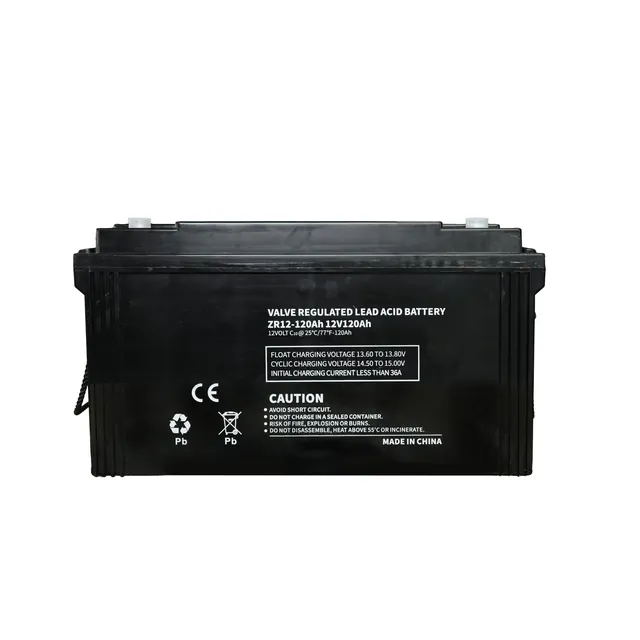
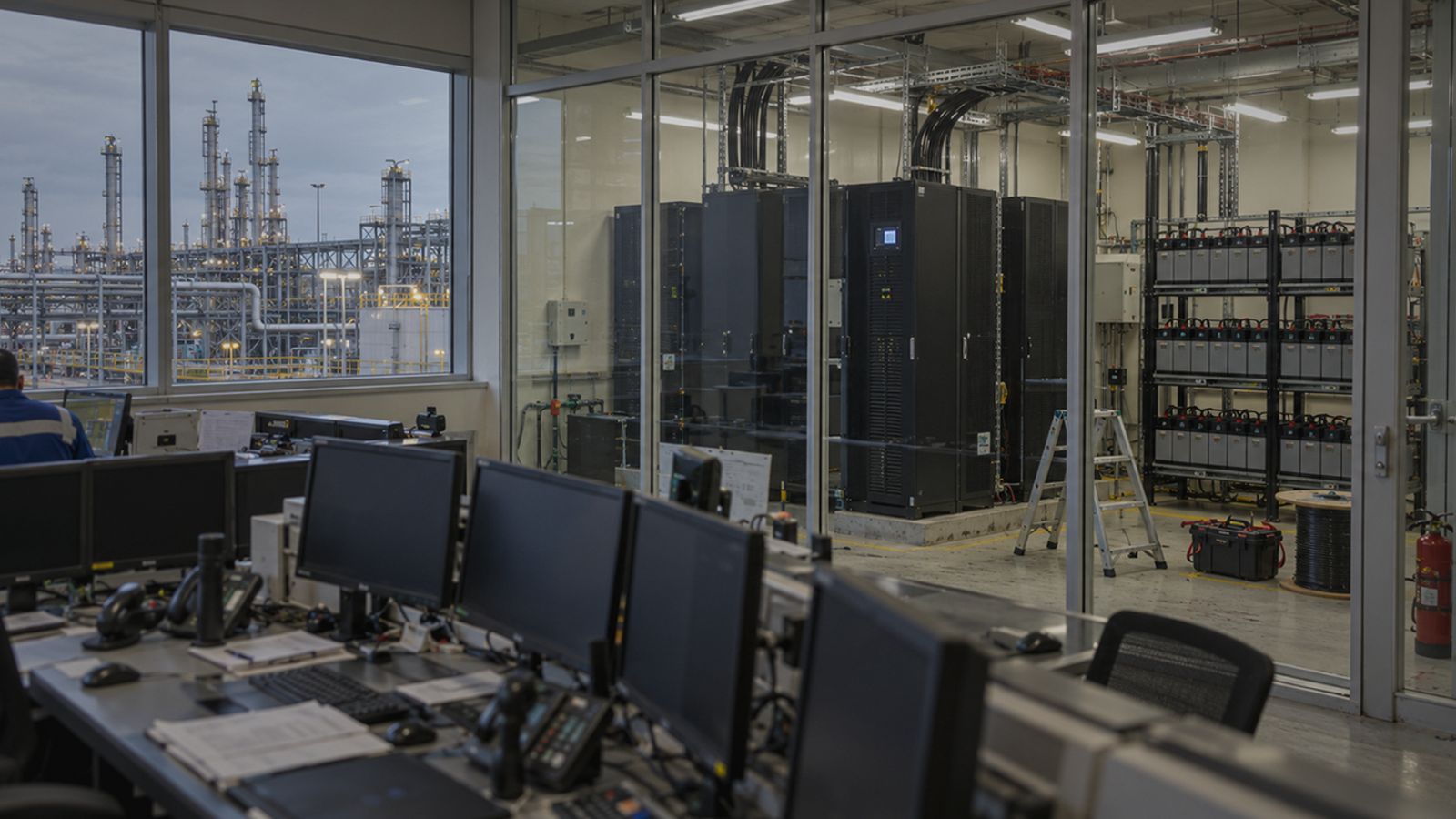
A VRLA battery sold as a five-year or ten-year product does not promise five or ten years in your room. That figure is a design life at a reference temperature, usually 20 to 25 °C. Run the same battery in a hot plant room and the real number can be far shorter.
The rule that matters most: heat
A widely used rule of thumb is that VRLA life roughly halves for every 10 °C of sustained temperature above the reference. It is an approximation, but the direction and size of the effect are well established.
| Average battery temperature | Rough share of design life | A 5-year design battery lasts about |
|---|---|---|
| 25 °C | 100% | 5 years |
| 30 °C | 70% | 3.5 years |
| 35 °C | 50% | 2.5 years |
| 40 °C | 35% | under 2 years |
These are planning figures, not guarantees. Use the temperature curve from the battery maker for your project. What counts is the average temperature at the battery over a year, not the room setpoint or the worst single day.
VRLA vs LiFePO4 at a glance
| VRLA | LiFePO4 | |
|---|---|---|
| Sensitivity to heat | High; life falls quickly above 25 °C | Lower, though sustained heat still ages cells |
| Typical replacement planning | 3 to 5 years for 5-year design; less in hot rooms | Often 10 years or more when kept in its rated range |
| Upfront cost | Lower | Higher |
| Weight and footprint | Heavier and larger | Lighter and smaller |
| Monitoring | Optional add-on | Built-in battery management system |
The comparison in more depth is in lithium-ion vs lead-acid batteries.
When to replace: signs, not just dates
Treat the date as the planning trigger, and the measurements as the decision:
- Capacity below 80% of rated in a discharge test, the usual end-of-life point.
- Internal resistance well above the baseline, or above that of the other blocks in the string.
- Swollen cases, leaks, corrosion on terminals, or unusual heat from one block.
- Runtime that no longer covers what the site needs.
Replace a string as a set. A new block next to aged ones is charged and discharged unevenly, and the whole string performs like its weakest block.
Which one pays back in a hot room?
Compare cost over the same period rather than purchase price. Count the replacements, the labour and downtime for each, any cooling you run only to protect the battery, and the disposal cost. Where you would replace VRLA every two to three years, or the site is remote and every visit is expensive, LiFePO4 often comes out ahead even with its higher price.
If VRLA stays the right choice, cooling the battery rather than the whole room and adding a battery monitoring system can extend its life and warn you before a failure.
See both options: VRLA batteries and LiFePO4 rack batteries.