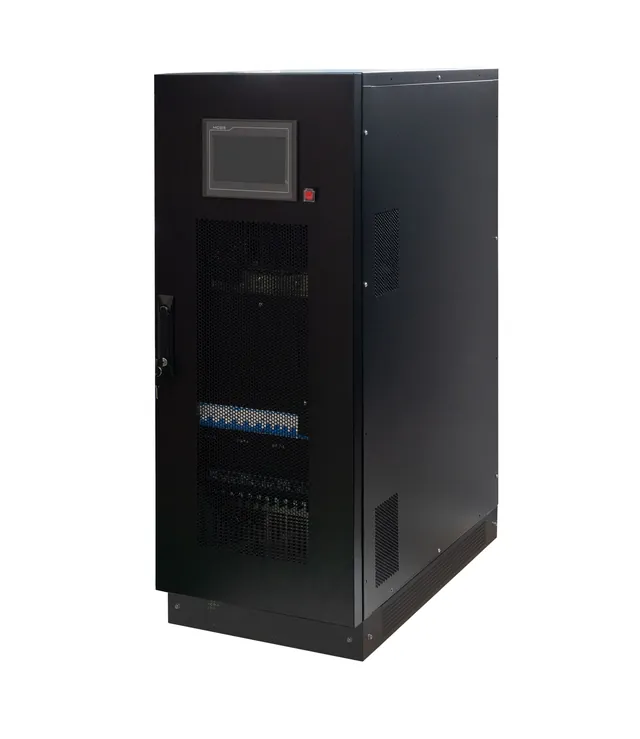
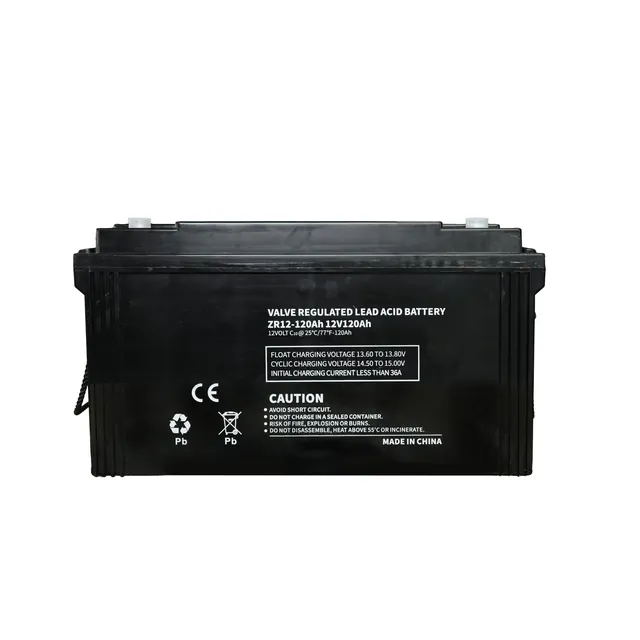
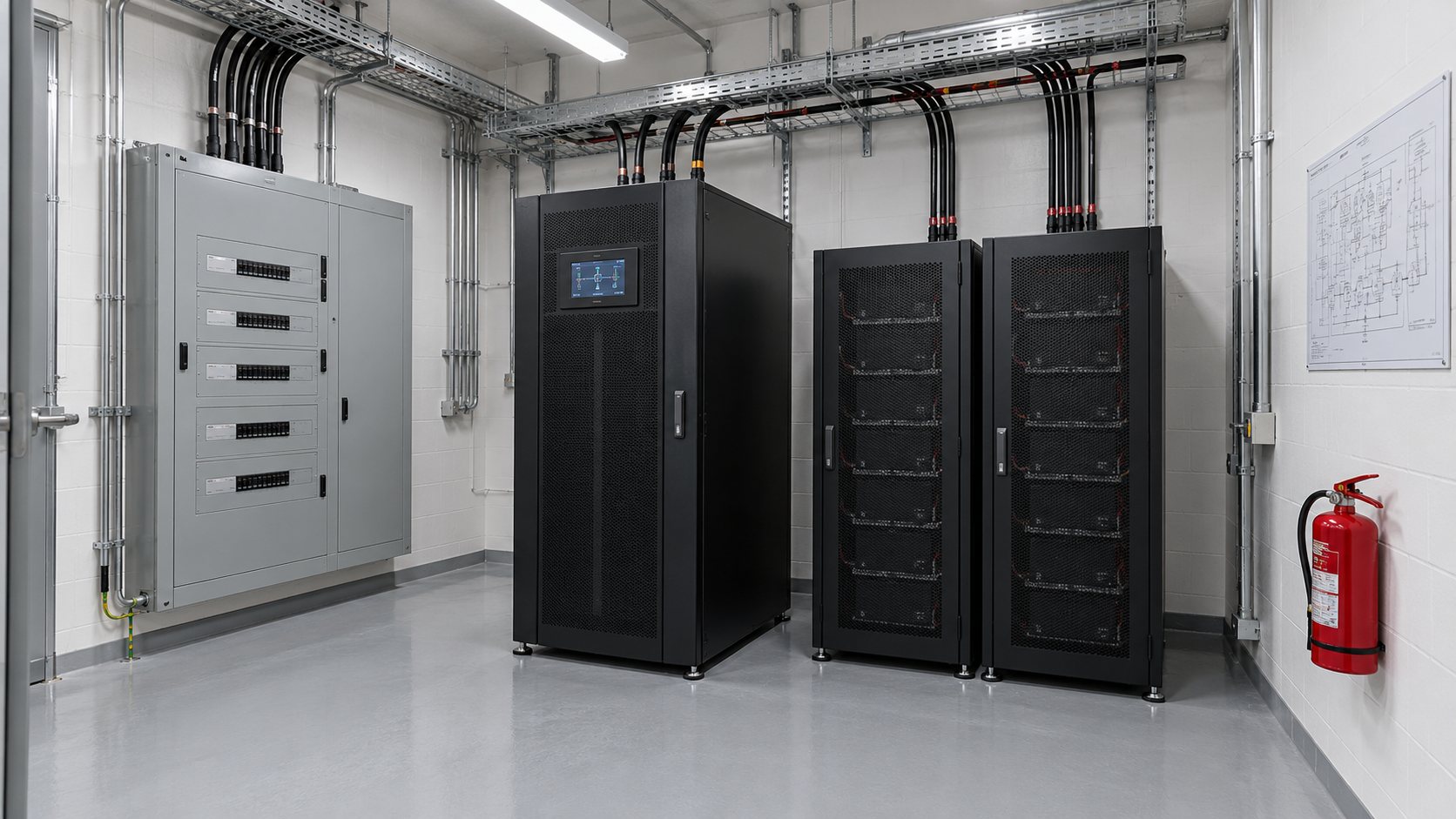
A 100 kVA unit is not always a 100 kW unit. The gap between those two numbers is the output power factor, and it is one of the most common reasons a system that looked right on paper overloads at commissioning.
What the two numbers mean
kVA is apparent power: voltage times current. It sets how much current the inverter and cables have to carry. kW is real power: what the load actually consumes and turns into work and heat. It sets how hard the power stage and the battery have to work.
They are linked by power factor (PF):
kW = kVA × PF
| Rating | Output PF | Real power available |
|---|---|---|
| 10 kVA | 1.0 | 10 kW |
| 10 kVA | 0.9 | 9 kW |
| 100 kVA | 0.8 | 80 kW |
| 100 kVA | 1.0 | 100 kW |
The same nameplate kVA can deliver 25% more real power on a unit with output PF 1.0 than on one with 0.8. Comparing quotes on kVA alone hides that difference.
A load has to fit inside both ratings
Check the load against each rating separately. Which one runs out first depends on the power factor of the load compared with the output power factor of the unit.
Case 1: kW runs out first
A 100 kVA unit with output PF 0.8 gives 80 kW. A server load of 85 kW at PF 0.99 draws about 86 kVA. It looks fine against the 100 kVA headline, but it is over the 80 kW limit by more than 6%.
Case 2: kVA runs out first
A 100 kVA unit with output PF 1.0 gives 100 kW. A motor-heavy load of 80 kW at PF 0.7 draws about 114 kVA. There is plenty of real power to spare, but the current limit is exceeded.
What this means for current
Cable, breaker and busbar sizes follow kVA, because they carry current whatever the power factor. For a quick figure:
- Single-phase: I = S ÷ V
- Three-phase: I = S ÷ (√3 × V)
| Rating | Voltage | Full-load output current |
|---|---|---|
| 10 kVA, single-phase | 230 V | about 43 A |
| 30 kVA, three-phase | 400 V | about 43 A |
| 100 kVA, three-phase | 400 V | about 144 A |
| 400 kVA, three-phase | 400 V | about 577 A |
Input current is higher than these output figures once inverter losses and battery recharge are included, so size the input side from the input current on the datasheet.
Questions to ask before you compare quotes
- What is the output PF at the rated load, and at what ambient temperature?
- Is the kW rating still valid with the load power factor you actually have?
- Does the rating change with battery recharge running at the same time?
- Is the per-phase rating enough on your most heavily loaded phase?
For the full method, including margin, inrush and runtime, see how to size an online UPS. Rated ranges are listed under online UPS systems.